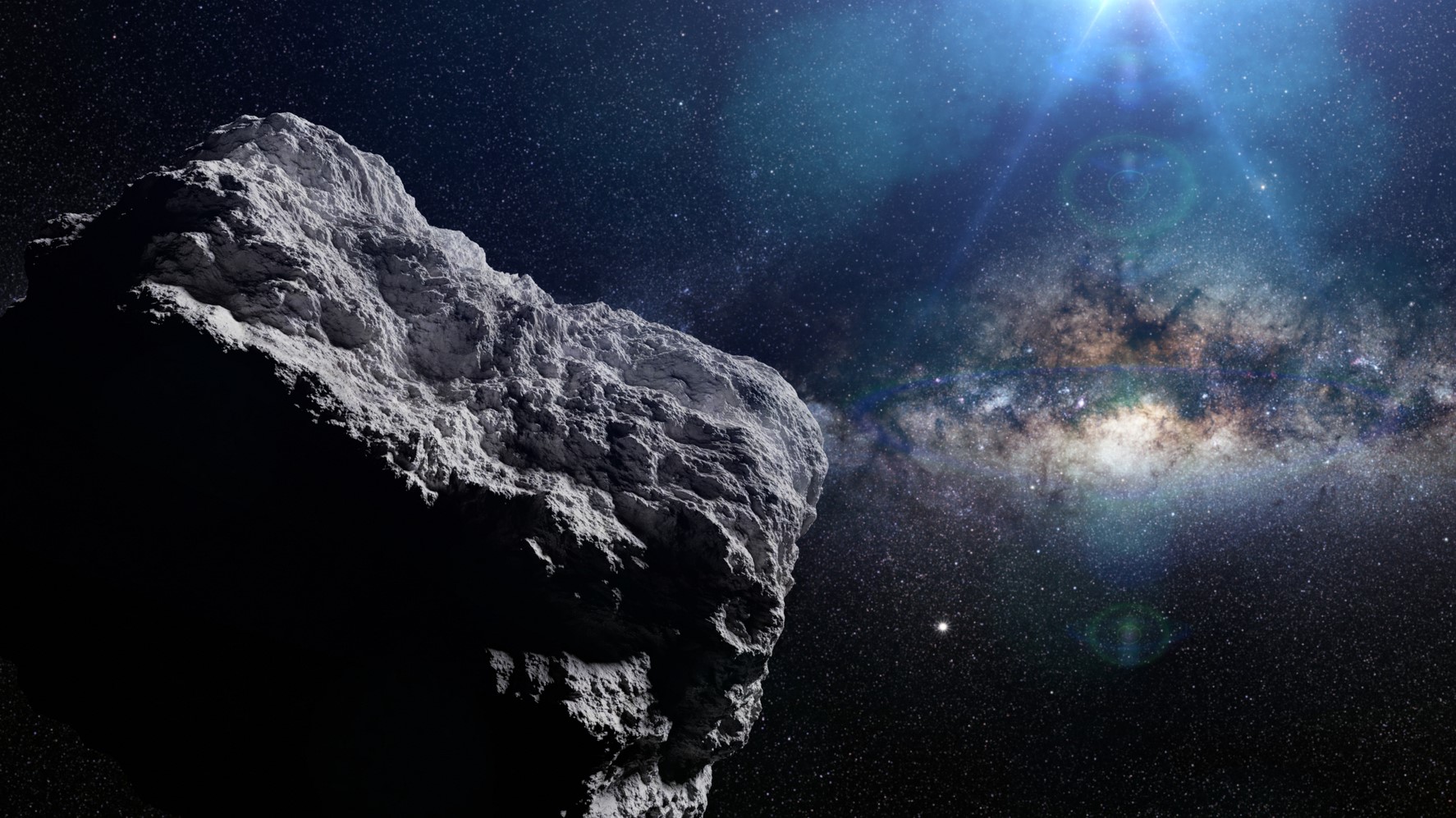
Since the late 20th century, astronomers and international space agencies have intensified efforts to monitor and mitigate the potential threat posed by large asteroids passing near Earth. These celestial bodies, remnants of the early solar system, represent a significant concern due to their potential to collide with our planet, causing catastrophic damage.
According to data compiled by NASA and other space agencies, more than 33,000 near-Earth asteroids have been discovered and tracked since 1990. This ongoing effort is part of international initiatives aimed at detecting, tracking, and characterizing asteroids that come close to Earth’s orbit.
The chart depicting asteroid discoveries underscores the progress made in identifying these cosmic objects. Since systematic monitoring began, advancements in telescopic technology and computational modeling have enabled astronomers to detect a substantial number of near-Earth asteroids, ranging in size from a few meters to several kilometers across.
NASA estimates that over 90% of all near-Earth objects larger than 1 kilometer in diameter have been identified and tracked to date. This milestone is significant, as larger asteroids pose a greater potential risk due to their ability to cause widespread devastation in the event of an impact.
The monitoring and characterization of near-Earth asteroids serve multiple purposes beyond risk assessment. Scientists study these celestial bodies to better understand the formation and evolution of our solar system. Additionally, detailed knowledge of their composition and orbital dynamics enhances preparedness for potential future missions aimed at deflecting or mitigating the impact risk of hazardous asteroids.
In recent years, technological advancements, including space-based observatories and advanced computational algorithms, have further enhanced the precision and efficiency of asteroid detection efforts. These tools enable astronomers to predict the future trajectories of asteroids with greater accuracy, providing crucial data for decision-makers and disaster response agencies.
Despite the progress made in asteroid detection and tracking, challenges remain in identifying smaller asteroids that may pose localized threats or impacts. Continued investment in observational astronomy, space exploration technologies, and international collaboration are essential to expanding our understanding of near-Earth asteroids and developing strategies to protect Earth from potential collisions.
The global effort to monitor and mitigate the threat of near-Earth asteroids represents a testament to humanity’s commitment to planetary defense and scientific exploration. By leveraging technological innovation and collaborative partnerships, astronomers and space agencies aim to safeguard our planet and advance our understanding of the dynamic universe we inhabit.
The ongoing discovery and tracking of near-Earth asteroids underscore the proactive measures taken by the international scientific community to protect Earth from cosmic hazards. As advancements in space science continue to evolve, so too will our ability to detect and respond to potential threats posed by these fascinating yet potentially dangerous celestial neighbors.