


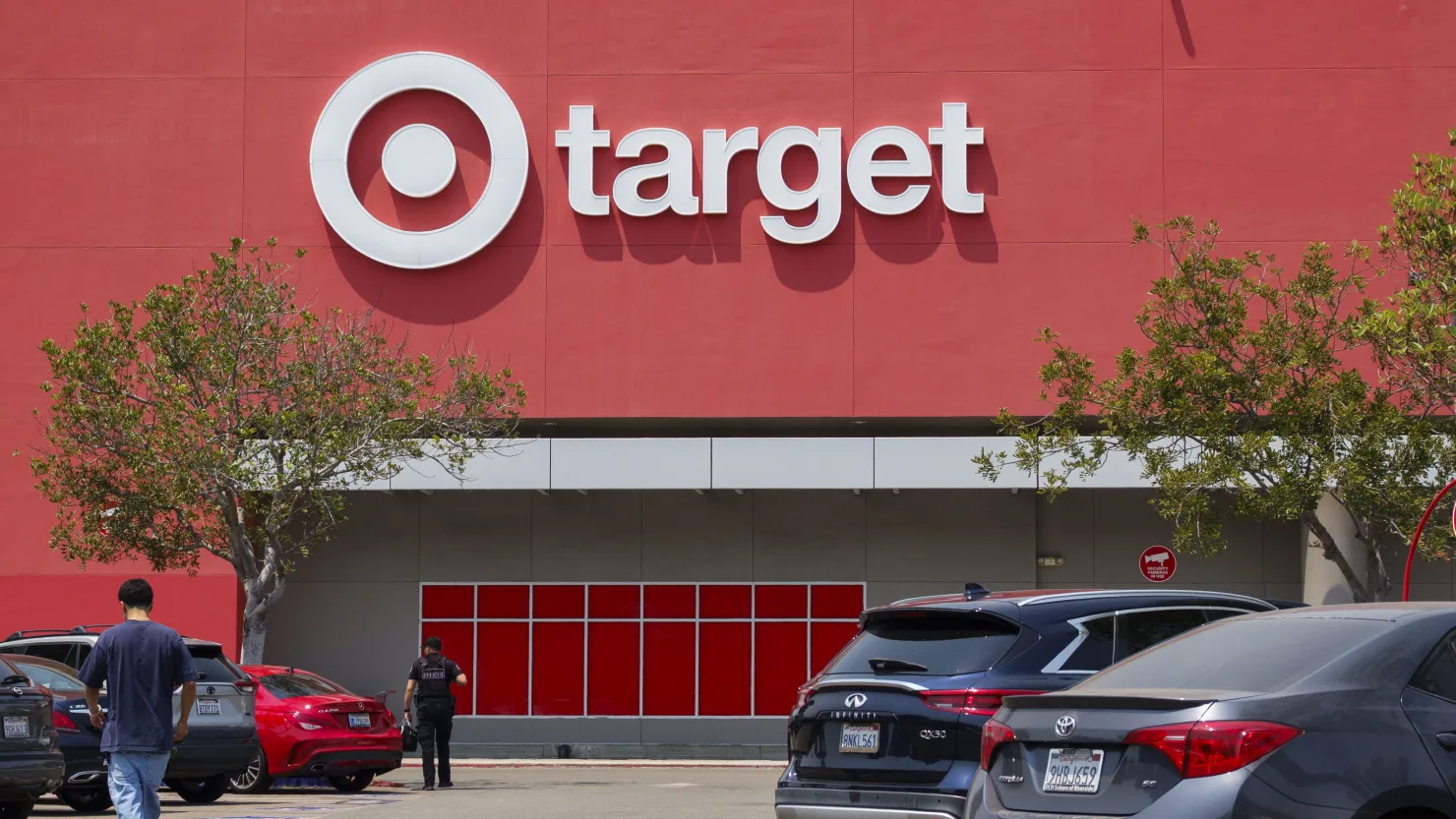
Target’s Shocking Workforce Shake-Up
In a surprise move, Target has announced 1,800 corporate job cuts, marking its largest round of layoffs in ten years. The company says the cuts are part of a massive effort to revive growth after years of flat sales and prepare for a new era of leadership.
According to an internal memo from incoming CEO Michael Fiddelke, the layoffs include about 1,000 current employees being let go and 800 positions left unfilled. Together, these cuts represent roughly 8% of Target’s corporate workforce.
Employees will begin receiving notifications starting Tuesday, signaling a major shake-up inside one of America’s most recognized retail giants.
Why Target Is Making Cuts Now
Target’s decision comes as the retailer grapples with four straight years of sluggish growth. Despite pandemic-era surges and a booming e-commerce industry, the company’s sales have largely stalled while competitors like Walmart and Costco have continued to gain momentum.
The company has struggled to adapt to changing consumer habits — from shifting spending toward experiences over goods to navigating inflation, rising costs, and supply chain disruptions.
The Bigger Picture
- Sales stagnation: Growth has hovered near zero since 2021.
- Higher costs: Inflation and labor expenses continue to pressure profit margins.
- Competition: Walmart, Amazon, and Costco have eaten into Target’s market share.
- Inventory issues: Target has faced several quarters of excess inventory and markdowns.
These challenges have pushed the company to streamline operations and refocus on profitability — and, as painful as it sounds, that means cutting jobs.
A Leadership Shift at the Top
The layoffs come just months before Target undergoes a major leadership transition.
Michael Fiddelke, Target’s current Chief Operating Officer — and formerly its Chief Financial Officer — will officially take over as CEO on February 1. He’ll replace Brian Cornell, who has led the company for nearly a decade and oversaw its turnaround after earlier struggles in the 2010s.
In his memo, Fiddelke said the restructuring was “necessary to position Target for long-term success” and to ensure the company remains agile as it faces an evolving retail landscape.
Fiddelke, known internally as a cost-conscious strategist, is expected to take a tighter, efficiency-driven approach to leadership, cutting redundancy and focusing heavily on digital innovation and core product categories.
Inside the Layoffs
While the frontline retail and distribution center staff will not be affected, the cuts will hit corporate teams, particularly in marketing, operations, and technology.
What’s Being Cut
- 1,000 employees will be laid off.
- 800 open corporate positions will be removed from Target’s hiring plans.
- The total represents about 8% of Target’s corporate headcount.
- Affected employees will receive severance packages, job placement support, and access to career transition services.
These layoffs follow a growing trend among large retailers and tech-driven corporations that are right-sizing operations after pandemic-era expansions.
Target’s Growth Challenge
Over the last few years, Target has faced an uphill climb. After strong performance during the early pandemic — fueled by online shopping and home goods sales — the company hit a wall.
Consumers have shifted spending away from retail products toward travel, dining, and services. Meanwhile, higher interest rates and ongoing inflation have squeezed shoppers’ budgets.
Even as Target rolled out new store designs, private-label brands, and same-day delivery through Shipt, its profits have lagged behind expectations.
The company is now trying to focus on:
- Strengthening its digital and fulfillment operations.
- Revamping in-store experiences to draw more foot traffic.
- Investing in private-label brands and everyday essentials.
- Controlling costs through leaner management and structure.
These layoffs are part of that new plan — a painful but strategic move to cut overhead and redirect resources toward future growth.
What Analysts Are Saying
Market analysts see the layoffs as both a warning sign and a potential reset. While job cuts suggest internal pressure, they may also free up capital for innovation and operational upgrades.
Industry experts believe Fiddelke’s leadership will bring:
- Stronger focus on cost control.
- More investment in technology to compete with Amazon’s logistics model.
- Tighter alignment between digital and physical operations.
However, the immediate impact could dampen morale across the company’s Minneapolis headquarters — especially as thousands of workers face uncertainty before the holidays.
Target’s Road Ahead
This restructuring marks the first major workforce reduction at Target in a decade — the last large-scale cuts occurred in the mid-2010s during a massive digital transformation effort.
Fiddelke now inherits a company at a crossroads:
- Growth has slowed.
- Competition is fierce.
- Consumer loyalty is shifting fast.
To win, Target will need to double down on innovation, sharpen its brand identity, and reconnect with value-focused shoppers in a tight economy.
Final Thoughts
Target’s 1,800 corporate job cuts are more than a cost-saving move — they’re a turning point. With a new CEO taking over and a challenging retail landscape ahead, the company is making a high-stakes bet: cutting deep now to grow stronger later.
Whether this gamble pays off will depend on how quickly Target can adapt — and whether customers still see it as the go-to place for style, value, and convenience in 2025 and beyond.


