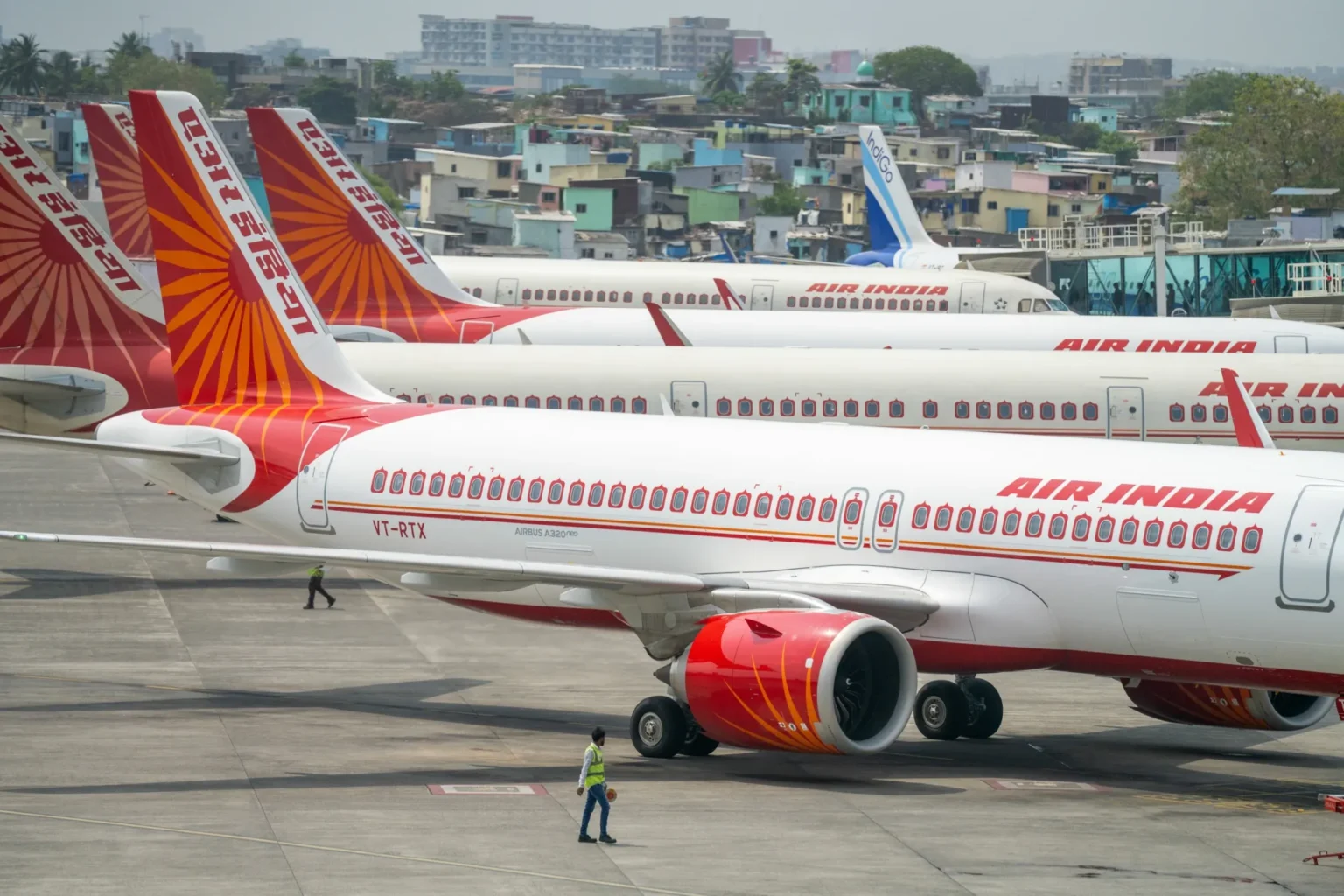
Air India is on the edge of a financial cliff. The struggling airline has reportedly asked its owners, Tata Sons and Singapore Airlines, for a staggering $1.1 billion bailout, just months after a tragic plane crash shook public confidence. The shocking move underscores how far the airline still is from turning a profit despite years of restructuring.
A Crash That Shook Confidence
The recent deadly crash has left Air India reeling. Passenger trust has plummeted, and operational setbacks, including airspace curbs, have added to the chaos. Industry insiders warn that without urgent financial and operational support, the airline could face a full-blown crisis.
Why Tata and Singapore Airlines Are Now on the Hook
Tata Sons, which took full control of Air India in 2022, is being asked to dig deep into its pockets. Singapore Airlines, a minority stakeholder, is also expected to chip in for upgrades and operational improvements. This is not just about money—it’s about saving one of India’s most iconic brands from collapse.
The bailout is intended to fund a major overhaul, including:
- Revamping Air India’s systems and customer services
- Building in-house engineering and maintenance teams
- Improving safety standards and operational efficiency
Experts say that the funding could determine whether Air India survives or becomes another cautionary tale in aviation history.
Billion-Dollar Stakes for Indian Aviation
Air India’s crisis highlights the fragile state of the Indian aviation sector. Rising fuel costs, fierce competition, and regulatory hurdles have made survival increasingly difficult. If Tata and Singapore Airlines provide the requested funds, Air India could revive its operations and regain global competitiveness. If not, the airline may face further losses and a tarnished reputation.
Can Air India Survive?
The coming months are critical. Air India needs strategic investments, operational efficiency, and restored public trust to climb out of this crisis. For Tata and Singapore Airlines, providing the bailout is about more than financial support—it’s about preserving a legacy and ensuring the airline can compete on the global stage.
With a $1.1 billion lifeline, Air India might just pull through—but without it, the national carrier could face a turbulent future.