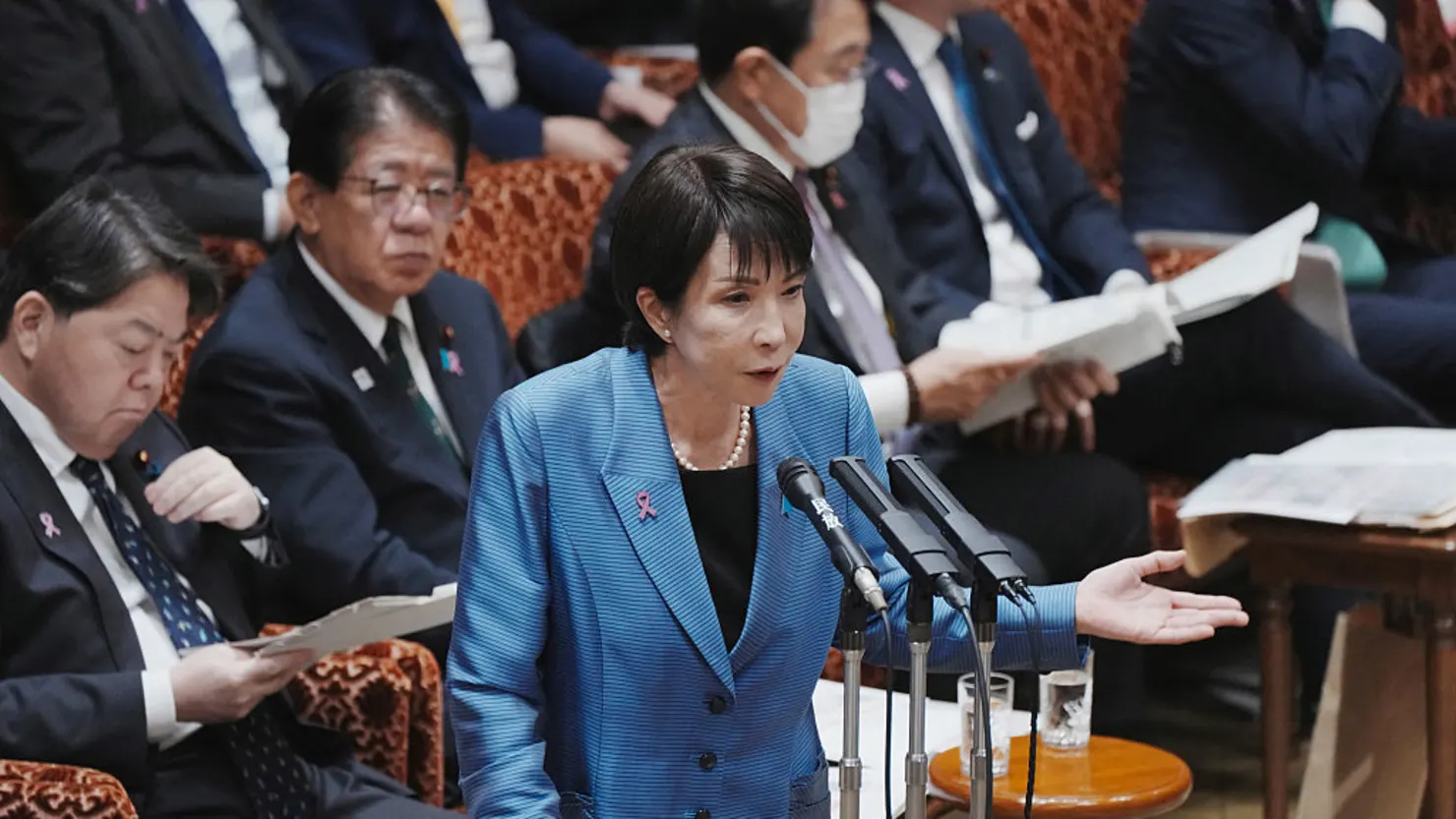
Japan has just detonated one of the biggest financial moves in its modern history. In a stunning announcement that stunned markets and set off alarms across Asia, the Japanese government approved a massive 135.5 billion dollar stimulus package. This isn’t a routine economic update. It’s a full-blown rescue mission designed to save consumers from sky-high prices, revive a slowing economy, and supercharge national defense at a time of rising global tensions.
This package is the largest since the Covid-19 pandemic—and it signals that Japan is gearing up for a turbulent future. Here’s the breakdown of what’s inside, why it matters, and how this financial shockwave could reshape Japan for years to come.
Japan Drops a 21.3 Trillion Yen Mega-Stimulus
Japan’s cabinet signed off on a massive 21.3 trillion yen rescue plan built on three explosive pillars:
- Fighting rising consumer prices
- Rebuilding and strengthening the economy
- Boosting defense and diplomatic power
Prime Minister Sanae Takaichi isn’t playing small. This is an all-out push to stabilize the country while preparing for long-term uncertainty.
What’s Actually in This Giant Package?
Big Relief for Consumers Hit by Rising Prices
Inflation has been squeezing Japanese households for months, and the government finally reacted with a burst of relief:
- Expanded grants for local governments
- Subsidies for electricity and gas bills
- Support worth 7,000 yen for a standard household over three months starting January
- Complete removal of gasoline taxes
The message is clear: Japan wants to cool down public frustration before it reaches a boiling point.
Massive Investments to Power Up Japan’s Economy
Japan isn’t just throwing money at short-term problems—it’s laying down serious cash for long-term growth. One of the boldest moves? A 10-year fund to rebuild and strengthen Japan’s shipbuilding industry. This sector is critical for trade, manufacturing, and even national security.
Japan is also funneling support into industries that it believes will be essential in the coming decade.
Japan’s Defense Is Getting a Historic Upgrade
For the first time in generations, Japan is accelerating defense spending toward the goal of 2 percent of GDP by 2027. That puts Japan on track to become one of the world’s largest defense spenders.
This shift is driven by rising geopolitical tensions, especially in the Indo-Pacific region. Japan wants to ensure it has the military capability to protect itself—no matter what happens next.
How Japan Plans to Pay for This Giant Package
Prime Minister Takaichi says the government will cover most of the package through existing revenue. Any shortfall will be filled by issuing government bonds. But she emphasized that this year’s bond issuance will be less than last year’s massive 42.1 trillion yen.
She stressed that the plan was designed with fiscal sustainability in mind. Market experts aren’t so sure.
Markets Didn’t Stay Calm — The Bond Panic Begins
The moment the plan was unveiled, Japan’s bond market reacted sharply.
Yields on the benchmark 10-year Japanese government bond surged to 1.817 percent, the highest level since 2008. Even after a slight drop, the pressure remains intense.
Jesper Koll of Monex Group warned that this package could “spook” the bond market even further. Investors worry that more government spending means more borrowing—and that means higher yields and rising financial risk.
This could turn into a major showdown between the government and the markets.
Japan’s Political Drama Adds Even More Fire
This entire stimulus rollout happens under a government that doesn’t even hold a majority on its own.
The ruling Liberal Democratic Party is currently a minority government and depends on support from the Japan Innovation Party. Together they control 231 seats—just two shy of a majority in the 465-seat Lower House.
The government insists it will work with opposition parties to pass a supplementary budget before the end of the year. Political gridlock could turn this entire plan into a high-risk gamble.
What Happens Next? Japan’s Future Is on the Line
This package isn’t just big. It’s transformative. But whether it becomes a turning point or a crisis depends on several critical factors.
Will Inflation Finally Cool Down?
Households will feel immediate relief, but whether inflation actually slows will depend heavily on global markets, energy prices, and consumer demand.
Can Japan Actually Restart Growth?
Investments in shipbuilding and domestic industries may revive the economy—but only if businesses respond quickly and consumers trust the recovery.
Will Defense Spending Rewrite Japan’s Role?
Japan’s shift toward higher defense spending will change how the country interacts with global powers and reshape the region’s balance of power.
Can the Bond Market Stay Calm?
If yields continue rising, borrowing costs will spike and pressure the government’s finances, creating a new crisis inside an old one.
Japan’s 135 billion dollar stimulus package is one of the boldest, riskiest, and most consequential economic moves the country has made in decades. It attempts to fight inflation, lift the economy, and strengthen national defense—all at once, all under intense market pressure, and in a complicated political landscape.
If it works, Japan might regain economic strength and global influence. If it backfires, the repercussions could be felt for years.
One thing is certain: Japan’s economic gamble has just changed the global conversation.