DHS Funding Standoff Intensifies in Washington
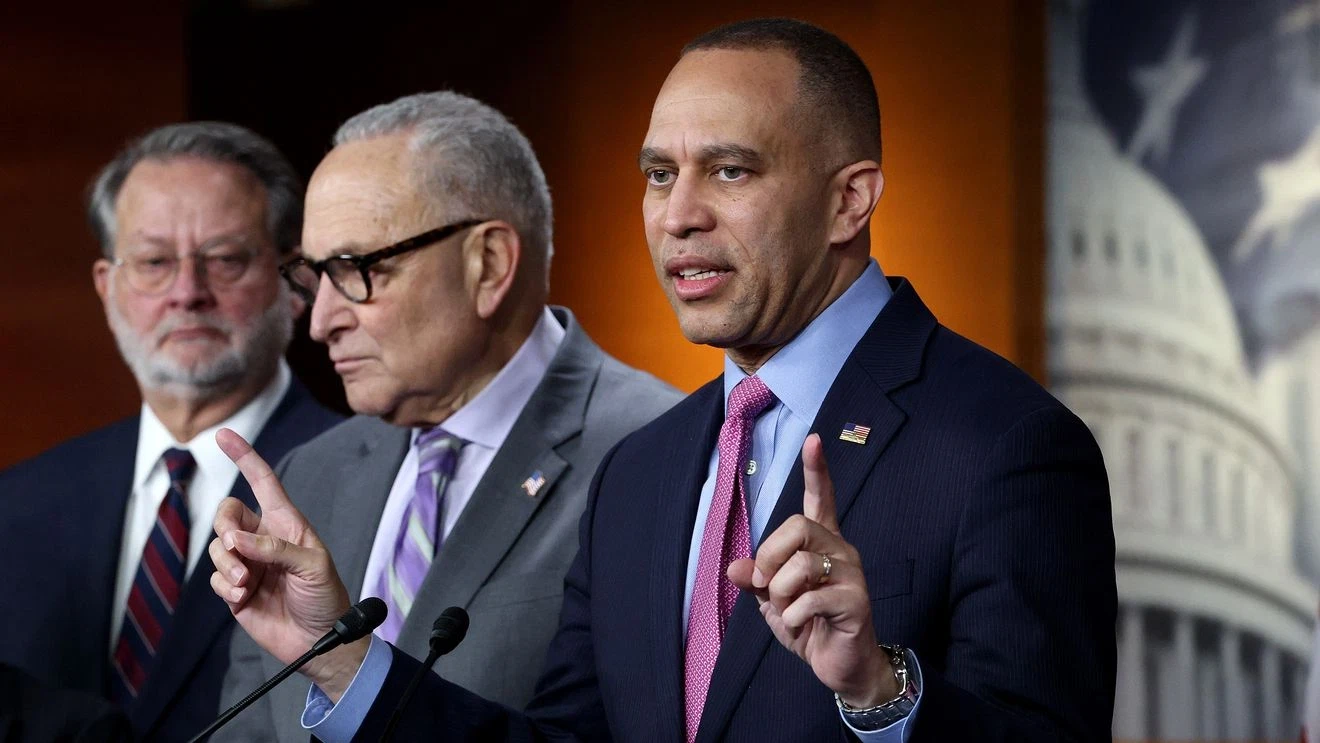
Political tensions in Washington have escalated again as negotiations continue over reopening the Department of Homeland Security after its funding expired. Congressional Democrats have now submitted a counteroffer to the White House and Republican lawmakers, hoping to break the deadlock and restore full funding to the agency.
The dispute centers on immigration enforcement policies. Democrats want stricter rules on how federal immigration agents operate, while Republicans and the administration are focused on maintaining enforcement flexibility. Until both sides reach an agreement, the future funding of homeland security operations remains uncertain.
The shutdown began early Saturday when temporary funding expired, forcing lawmakers back to the negotiating table.
What Triggered the Shutdown
The funding lapse occurred after a short-term stopgap measure expired. Temporary funding bills are often used to buy time while lawmakers negotiate broader spending agreements. In this case, however, talks stalled before a long-term solution could be finalized.
Despite the shutdown, many parts of the Department of Homeland Security continue operating because they are classified as essential services. Still, extended funding gaps can affect employee pay, morale and operational planning.
These situations tend to increase political pressure on both sides to reach a compromise quickly.
Key Players in the Negotiations
Senate Minority Leader Chuck Schumer has been leading Democratic efforts in negotiations with the administration of Donald Trump. Discussions involve lawmakers from both parties as well as officials at the White House.
While negotiations are ongoing, details of the Democratic counterproposal have not been fully disclosed. Reports suggest it includes measures focused on immigration enforcement oversight and accountability.
The stakes are high because homeland security funding affects border enforcement, disaster response, airport security and national emergency preparedness.
Why Immigration Enforcement Is the Central Issue
Recent incidents raising concerns
Negotiations intensified following a controversial immigration enforcement operation in Minneapolis where federal agents shot and killed two U.S. citizens during an immigration surge. The incident sparked national debate over enforcement practices and accountability.
Democrats argue that stronger safeguards are needed to prevent similar tragedies. Republicans generally counter that stricter rules could limit agents’ ability to respond quickly to threats.
This clash of priorities has become the main obstacle to reaching a funding agreement.
Proposed restrictions from Democrats
Democratic lawmakers have discussed several possible requirements for immigration enforcement agencies, including:
Banning agents from wearing face coverings during operations
Requiring body cameras for greater transparency
Mandating judicial warrants before certain immigration arrests
Ending so-called roving patrol tactics
Supporters say these steps would increase accountability and public trust. Critics argue they could hinder enforcement effectiveness and officer safety.
The Administration’s Response
The administration has shown willingness to negotiate but has pushed back on some proposals, particularly mask bans and warrant requirements. Officials argue these restrictions could complicate operations in fast-moving situations.
At the same time, federal authorities have reportedly begun winding down the specific enforcement operation linked to the Minneapolis incident. This move may help ease tensions, though it has not resolved the broader policy disagreement.
Negotiators continue to search for a middle ground that satisfies political concerns without compromising national security priorities.
How the Shutdown Affects Homeland Security Operations
Even during a funding lapse, many homeland security activities continue. The Department of Homeland Security oversees several critical subagencies that remain operational because their services are considered essential.
Agencies still working
Among those continuing operations are:
Transportation Security Administration, responsible for airport screening
United States Coast Guard, which handles maritime safety and defense
Federal Emergency Management Agency, coordinating disaster relief
Employees in these agencies may continue working even if pay is temporarily delayed, which can create financial strain and uncertainty.
Immigration enforcement largely unaffected
Border and immigration enforcement activities continue primarily through:
Immigration and Customs Enforcement
Customs and Border Protection
Funding allocations from previous legislation have allowed many enforcement operations to proceed despite the shutdown.
Economic and Political Implications
Shutdowns often carry broader economic consequences. While essential services continue, delays in funding can disrupt contracts, planning and workforce stability. Political uncertainty can also affect public confidence and government efficiency.
From a political standpoint, both parties face pressure:
Democrats want stronger oversight of immigration enforcement.
Republicans want to avoid restrictions they believe weaken border security.
Finding a compromise is crucial not only for reopening DHS but also for maintaining broader legislative cooperation.
What Happens Next in the Negotiations
The immediate focus is on reviewing the Democratic counteroffer and determining whether common ground exists. Negotiations typically involve multiple rounds of proposals before a final agreement emerges.
Possible next steps include:
Further concessions from either side
A short-term funding extension to prevent prolonged shutdown
A comprehensive spending deal tied to immigration policy changes
Timing is critical because prolonged shutdowns can increase political costs for both parties.
Impact on Federal Workers
Although many DHS employees are still working, uncertainty about pay can create stress. Essential workers often continue their duties without immediate compensation until funding is restored.
Historically, Congress eventually authorizes back pay, but delays can still cause financial hardship.
Employee morale and retention can also be affected, especially if shutdowns become frequent.
Broader Immigration Debate Continues
The funding fight reflects deeper national debates about immigration enforcement, border security and civil liberties. Policymakers are balancing competing priorities:
Ensuring national security
Protecting civil rights
Managing migration effectively
Maintaining public trust in enforcement agencies
These issues are unlikely to be resolved quickly, meaning future negotiations may face similar tensions.
Final Thoughts
The ongoing standoff over Department of Homeland Security funding highlights how closely national security, immigration policy and political strategy are intertwined. With Democrats pushing for stronger oversight and the administration resisting certain restrictions, negotiations remain complex.
While many homeland security functions continue despite the shutdown, a long-term funding solution is essential for stability. The coming days will be critical as both sides assess proposals and determine whether compromise is possible.
Until then, federal workers, policymakers and the public will be watching closely for signs that the deadlock may finally break.