


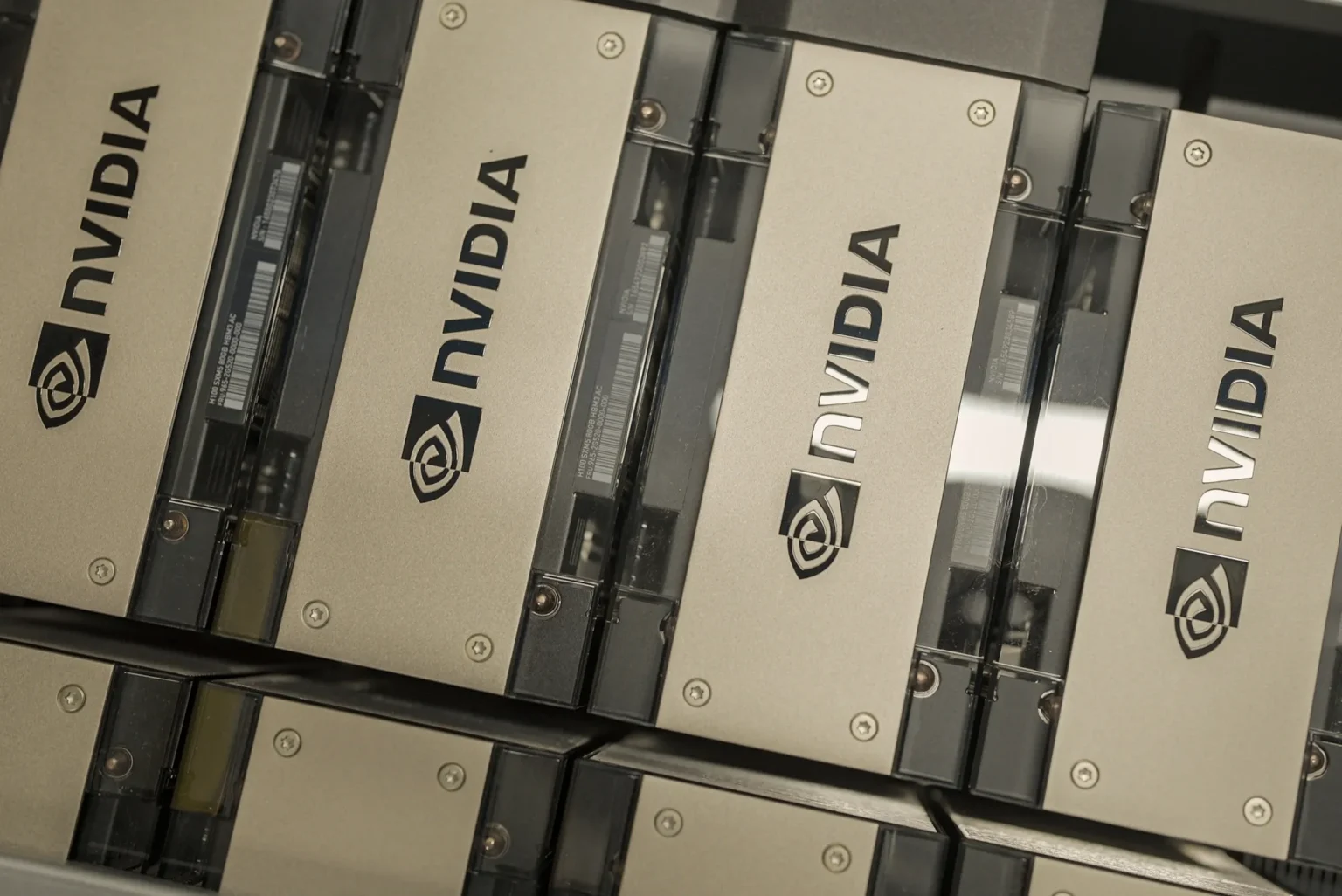
Massive AI Chip Smuggling Case: How Nvidia-Powered Servers Reached China
A major legal case in the United States has revealed how billions of dollars’ worth of advanced AI servers—powered by Nvidia—were allegedly diverted to China despite strict export restrictions.
The case, brought by the U.S. Attorney’s Office for the Southern District of New York, highlights growing concerns about how sensitive technology is slipping through the cracks at a time when global competition in artificial intelligence is intensifying.
What the Case Is About
According to a newly unsealed indictment, three individuals—Yih-Shyan Liaw, Ruei-Tsan Chang, and Ting-Wei Sun—are accused of working together to illegally send high-powered servers to China.
These servers contain Nvidia’s advanced graphics processing units (GPUs), which are critical for building and training modern AI systems.
The US government tightly controls the export of such technology to China due to national security concerns.
Why These Chips Matter So Much
Nvidia’s chips are at the heart of today’s AI boom. They power everything from chatbots to advanced data analysis systems used by companies like:
- OpenAI
- Anthropic
At the same time, Chinese companies—including rising competitors like DeepSeek—are racing to build their own AI capabilities.
This has turned advanced chips into a strategic resource, similar to oil or rare minerals.
The Alleged Scheme: How It Worked
Prosecutors say the accused used a complex setup to bypass US export laws.
Step 1: A Middleman Company
A company based in Southeast Asia acted as a fake buyer. On paper, it appeared that this company was purchasing the servers for its own use.
Step 2: Fake Documents
The group allegedly created false paperwork to make everything look legitimate. This helped them pass initial compliance checks.
Step 3: Repackaging the Servers
A logistics company reportedly repackaged the servers to hide their true destination before shipping them onward to China.
Step 4: “Dummy” Servers
To fool inspections, the group used fake or “dummy” servers. These were shown to auditors and even US officials, while the real equipment had already been sent elsewhere.
Step 5: Pressure Tactics
The defendants allegedly pressured internal compliance teams to approve shipments quickly, avoiding deeper scrutiny.
Billions in Sales
The scheme was not small.
Prosecutors estimate that:
- Around $2.5 billion worth of servers were sold since 2024
- About $510 million worth was shipped in just a few weeks in 2025
All of this allegedly happened without the required export licenses from US authorities.
Link to Super Micro Computer
The case also involves connections to Super Micro Computer, a major server maker.
One of the accused, Yih-Shyan Liaw, is a co-founder of the company and a senior executive.
Company Response
Super Micro has stated that:
- The company itself is not charged
- The individuals acted against company policies
- Employees involved have been placed on leave
- A contractor relationship has been terminated
The company also emphasized its commitment to following US export laws.
Still, the news had an immediate impact, with its stock dropping sharply after the indictment became public.
Attempts to Evade Audits
The indictment describes efforts to avoid detection even during audits.
For example:
- Certain data center areas were kept off-limits to inspectors
- A supposedly “friendly” auditor was brought in
- Real equipment locations were hidden
There were also past issues with auditing. The company’s previous auditor, Ernst & Young, had resigned and was later replaced by BDO.
The Role of US Export Laws
The case centers on violations of the Export Control Reform Act.
These laws are designed to prevent sensitive technologies from reaching countries where they could pose security risks.
In simple terms:
- Advanced AI chips cannot be freely sold to China
- Companies must obtain special licenses
- Violations can lead to severe penalties
A Global AI Race Driving the Black Market
This case is happening against the backdrop of an intense global race for AI dominance.
The United States has been trying to limit China’s access to cutting-edge chips. At the same time, demand for these chips is skyrocketing.
This creates a powerful incentive for illegal trade.
A Complicated Policy Environment
Even as restrictions exist, policies have sometimes shifted.
For example:
- There have been discussions about allowing certain chip exports under conditions
- Newer chips continue to be developed faster than regulations can keep up
This complexity can create loopholes that bad actors attempt to exploit.
Nvidia’s Central Role
As the world’s leading AI chipmaker, Nvidia sits at the center of this issue.
Its GPUs are essential for:
- Training large AI models
- Running data centers
- Powering next-generation applications
Because of this, access to Nvidia technology has become a major geopolitical concern.
Arrests and Ongoing Investigation
Authorities have already taken action:
- Liaw and Sun have been arrested
- Chang is currently a fugitive
US officials have made it clear that cases involving sensitive technology will be taken seriously.
A senior prosecutor emphasized that failing to enforce these laws would make them meaningless.
What This Means for the Tech Industry
This case sends a strong message to the global tech industry.
Key Takeaways
- Compliance with export laws is critical
- Internal controls must be strong and transparent
- Global supply chains are under increasing scrutiny
Companies operating internationally may now face stricter oversight, especially when dealing with advanced technologies.
The Bigger Picture: Technology, Power, and Security
At its core, this story is about more than just one company or one scheme.
It reflects a larger shift in how countries view technology:
- AI is now a strategic asset
- Chips are becoming tools of geopolitical power
- Control over technology equals influence
As competition between the US and China grows, cases like this are likely to become more common.
Final Thoughts
The alleged smuggling of Nvidia-powered servers shows how high the stakes have become in the AI era.
With billions of dollars involved and global security concerns at play, this is not just a legal case—it’s part of a much larger story about the future of technology.
As investigations continue, one thing is clear: in the race for AI dominance, the rules are tightening, and the consequences for breaking them are getting more serious.


