


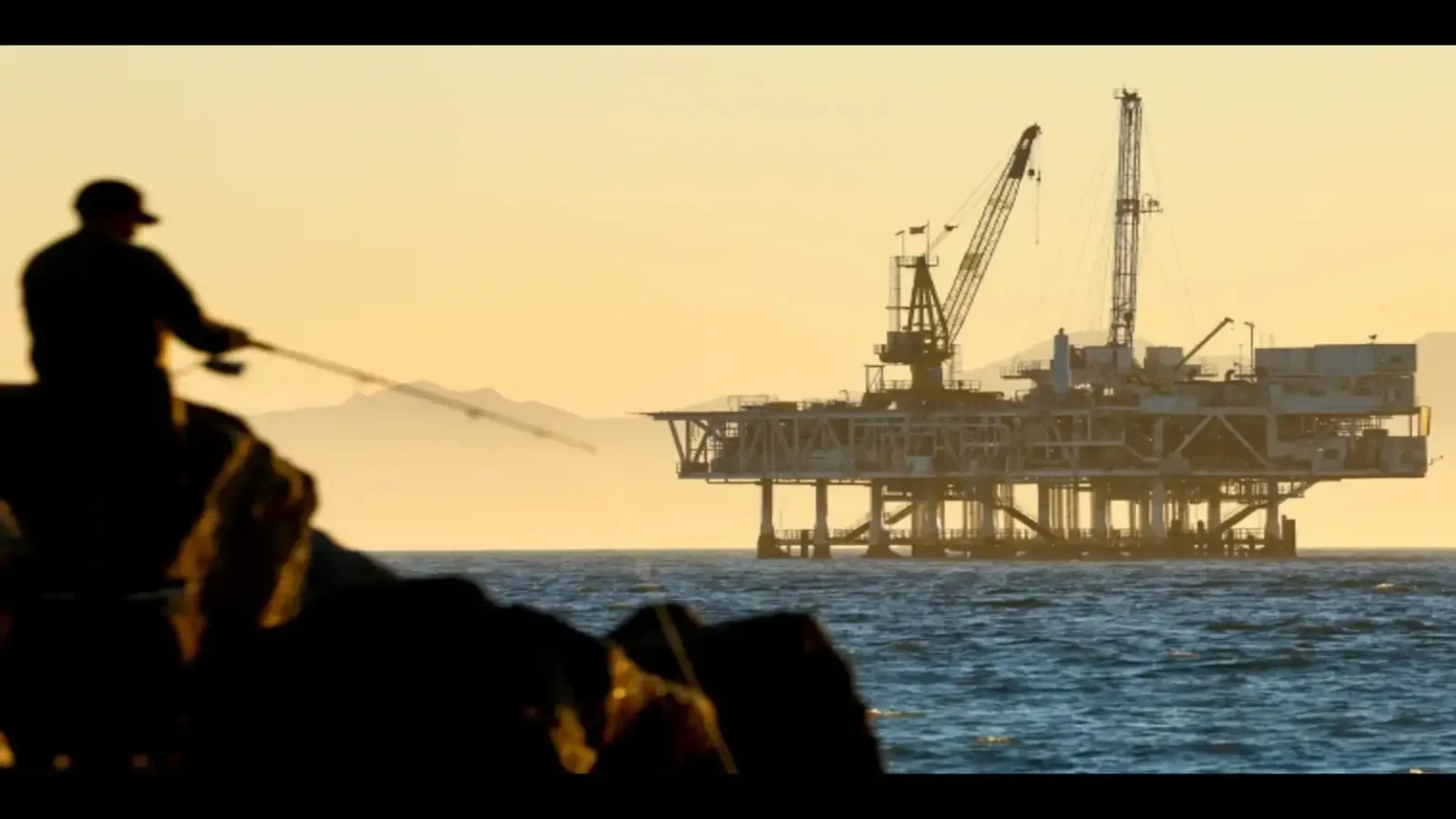
The global oil market is entering one of its most tense moments in recent years. Just a week after a major disruption began affecting energy supply routes in the Middle East, industry insiders are warning that the situation could escalate quickly.
Despite rising prices, oil is still trading below levels seen during previous global crises. But energy executives and traders believe the market may be underestimating the severity of the situation.
If the conflict continues and the Strait of Hormuz remains blocked, crude oil prices could surge past $100 per barrel within days. Such a move could send shockwaves through the global economy, pushing fuel prices higher and increasing inflation risks around the world.
Here’s a closer look at what’s happening in the oil market and why experts believe the situation could worsen rapidly.
Why the Strait of Hormuz Matters So Much
The Strait of Hormuz is one of the most important energy routes in the world. This narrow waterway connects the Persian Gulf to the global shipping network, and a massive share of the world’s oil passes through it every day.
Under normal conditions, about 20 million barrels of oil move through the strait daily. That represents roughly a fifth of the global oil supply.
Now, shipping traffic through this critical corridor has nearly stopped.
Commercial vessels that normally transport oil across the strait have largely halted operations due to safety concerns related to the ongoing conflict. Without safe passage, tankers are unable to move oil from major producing countries in the region.
This disruption has created immediate pressure across global energy markets.
Oil Prices Are Rising Fast but Haven’t Reached Panic Levels Yet
Oil prices have already climbed significantly since the disruption began.
Brent crude, the international oil benchmark, surged past $90 per barrel this week. That represents an increase of more than 25 percent in just a few days.
However, prices are still below the spikes seen during previous geopolitical crises, such as the early days of the Russia-Ukraine war.
Some analysts believe the market has not yet fully absorbed the potential scale of the supply disruption.
Executives at several major trading houses say the market appears too calm given the risks involved.
If the Strait of Hormuz remains closed for an extended period, prices could move much higher very quickly.
Energy Traders Warn $100 Oil May Be Coming Soon
A growing number of energy experts believe crude oil could cross the $100 mark within days.
Analysts say the market is still adjusting to the possibility that the disruption could last weeks instead of just a few days.
Once traders begin pricing in a longer supply outage, oil prices could jump sharply.
Energy consultant Bob McNally believes this shift could happen very soon.
According to him, the market may only now be realizing that the closure of the Strait of Hormuz is not a short-term event.
If the disruption continues, oil could rise above $100 per barrel in the coming days or weeks.
Physical Energy Markets Are Already Under Stress
Even before oil reaches $100, warning signs are appearing across physical energy markets.
Refineries in the Middle East and Asia have already started cutting operations due to supply disruptions. These cuts are reducing the availability of refined fuels such as diesel and jet fuel.
The result has been dramatic price increases.
Diesel prices have surged more than 50 percent in just one week. Jet fuel prices have crossed $200 per barrel in some regions.
Natural gas markets are also reacting. European gas prices have climbed by nearly two-thirds during the same period.
These rapid increases suggest the energy system is already feeling the strain of the supply shock.
Shipping Through Hormuz Has Nearly Stopped
Another major concern is the collapse in tanker traffic through the Strait of Hormuz.
Only a handful of empty oil supertankers remain available in the Persian Gulf. As those vessels fill up or leave the region, producers may soon have no way to ship additional oil.
If tankers cannot move crude to global markets, oil storage facilities will eventually fill up.
When that happens, producers will be forced to reduce production.
Signs of this process have already started appearing.
Iraq has begun cutting oil output, and Qatar has reportedly halted production of liquefied natural gas.
The longer the shipping disruption continues, the greater the impact on global supply will become.
Insurance and Safety Concerns Are Preventing Ships From Sailing
Governments are trying to keep energy shipments moving, but safety concerns remain a major obstacle.
The United States has proposed providing naval escorts and insurance guarantees to protect ships traveling through the strait.
However, many shipping companies remain hesitant.
Shipowners say the safety of their crews is their top priority, and some worry that convoy operations could actually make vessels more visible targets.
Without confidence in safe passage, tanker traffic may not return quickly even if governments offer protection.
Energy Market Could Face One of the Largest Supply Shocks Ever
Analysts are increasingly concerned about the size of the supply disruption.
According to some estimates, the current shock could be far larger than the supply cuts that occurred after Russia invaded Ukraine.
The amount of oil normally passing through the Strait of Hormuz is enormous. If that supply remains restricted, the global market could face an unprecedented shortage.
Major financial institutions have started warning about the potential consequences.
Some analysts believe oil could easily exceed $100 per barrel next week if no solution emerges.
In extreme scenarios, prices could even climb much higher.
Producers Are Trying to Find Alternative Routes
Oil-producing countries in the region are attempting to redirect shipments through other export routes.
Saudi Arabia has started transporting oil across the country to ports on the Red Sea. This allows tankers to bypass the Strait of Hormuz.
The United Arab Emirates also operates a pipeline that sends oil to the port of Fujairah, avoiding the strait.
However, these alternative routes can only handle a limited amount of oil.
Combined, they account for only about one-third of the normal volume that flows through the Strait of Hormuz.
That means a large portion of global oil supply still depends on the strait reopening.
Rising Oil Prices Are Creating Political Pressure
Higher oil prices are becoming a growing concern for governments, especially in major consuming countries.
In the United States, rising fuel costs are creating pressure for policymakers.
Officials have explored several possible actions to ease the situation, including releasing oil from strategic reserves or adjusting fuel regulations.
So far, authorities have been cautious about taking those steps.
Some leaders believe the situation may still resolve quickly.
Others fear the crisis could last longer than expected.
Meanwhile, countries like China have taken steps to protect their domestic fuel supply by limiting exports of gasoline and diesel.
Some nations are also considering releasing strategic oil reserves to stabilize prices.
The Next Few Days Could Decide the Market’s Direction
For now, the future of oil prices depends heavily on how the conflict unfolds.
If shipping through the Strait of Hormuz resumes soon, prices could fall quickly as supply fears ease.
But if the disruption continues into the coming weeks, the market may face a much more severe shock.
Energy traders are closely watching developments, especially as markets reopen for trading.
Many believe the next round of price movements could be even more dramatic.
If the strait remains blocked, the global economy could soon feel the full impact of one of the largest energy disruptions in modern history.


