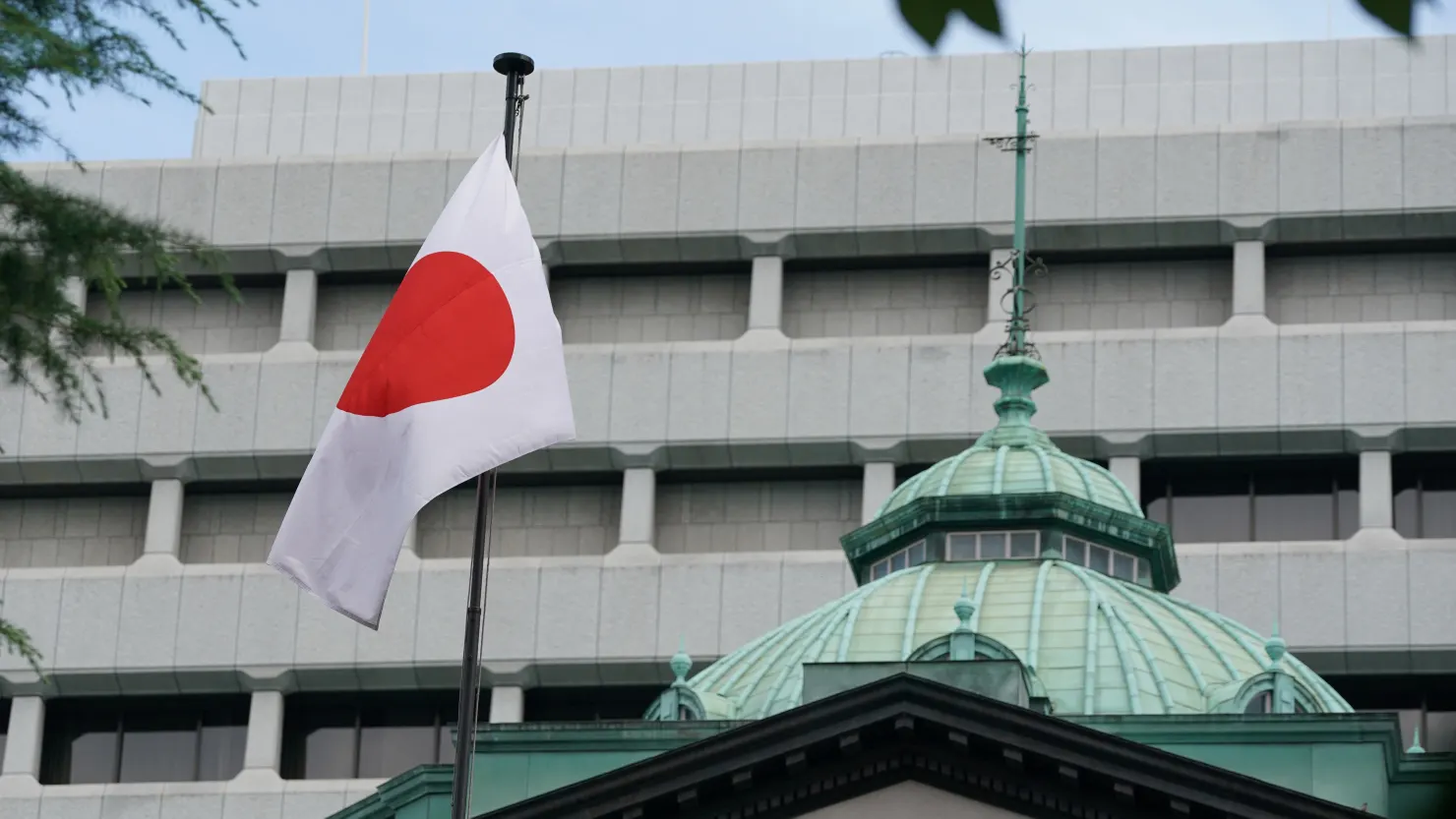
In a surprising move that has caught global markets’ attention, the Bank of Japan kept interest rates at 0.5 percent, even as inflation has stayed above two percent for 41 consecutive months. The decision comes just weeks after Sanae Takaichi became Japan’s prime minister, raising questions about the future of the country’s economic strategy.
While many expected a rate hike, the central bank chose caution, highlighting a deep split among its policymakers and leaving economists wondering how long Japan can ignore rising prices.
A Divided Bank
The Bank of Japan’s decision was made by a 7–2 vote, with two members pushing for a 0.25 percent hike. Naoki Tamura and Hajime Takata argued that sustained inflation and wage growth demanded immediate action.
This rare dissent signals growing tension within the bank. Some board members worry that waiting too long could worsen inflation, while others fear that moving too quickly could derail fragile economic growth.
Inflation Hits Record Levels
Japan’s inflation streak is now 41 months long, fueled by rising energy costs, higher import prices, and steadily increasing wages.
Households are feeling the squeeze, and economists warn that prolonged price growth could affect consumer spending and slow recovery if the central bank does not act soon. Despite this, the BOJ insists that the inflation spike is manageable and temporary, a stance that leaves markets and citizens on edge.
Market Reaction: Calm on the Surface
Markets reacted cautiously but without panic. The yen dipped slightly to 153.03 against the dollar, government bond yields remained largely unchanged, and the Nikkei 225 rose 0.4 percent.
Investors appear to be bracing for a future rate hike, but for now, Japan continues its delicate balancing act, keeping rates low while inflation persists.
What Analysts Are Saying
Experts say the next move could come in the early months of 2026 if inflation continues. Krishna Bhimavarapu, an APAC economist at State Street Investment Management, noted that the BOJ is likely to act gradually once global trade volatility becomes clearer.
“Japan is still treading carefully, but the pressure to raise rates is growing,” Bhimavarapu said.
Prime Minister Takaichi’s Challenge
For Prime Minister Sanae Takaichi, the decision highlights the challenges of her new role. She must balance rising public concern over prices with the need for economic stability, all while guiding Japan’s long-term growth strategy.
Her influence over the BOJ may shape the timing and pace of future rate hikes, making the coming months crucial for Japan’s financial markets and households alike.
What This Means for Japan
The decision to hold rates steady may give temporary relief to borrowers and businesses, but inflation is not showing signs of slowing. Analysts warn that the BOJ’s cautious stance may not last if prices continue to rise.
Japan faces a unique dilemma: avoid stifling growth while keeping inflation under control, a challenge other countries handled with aggressive rate hikes.
Conclusion
Japan’s decision to keep rates at 0.5 percent under a new prime minister is a bold move that raises serious questions about the future. With inflation stubbornly high and internal disagreements at the Bank of Japan, the next year could see dramatic shifts in policy.
Markets, citizens, and global economists are all watching closely — Japan’s delicate balance may be tested sooner than anyone expects.