


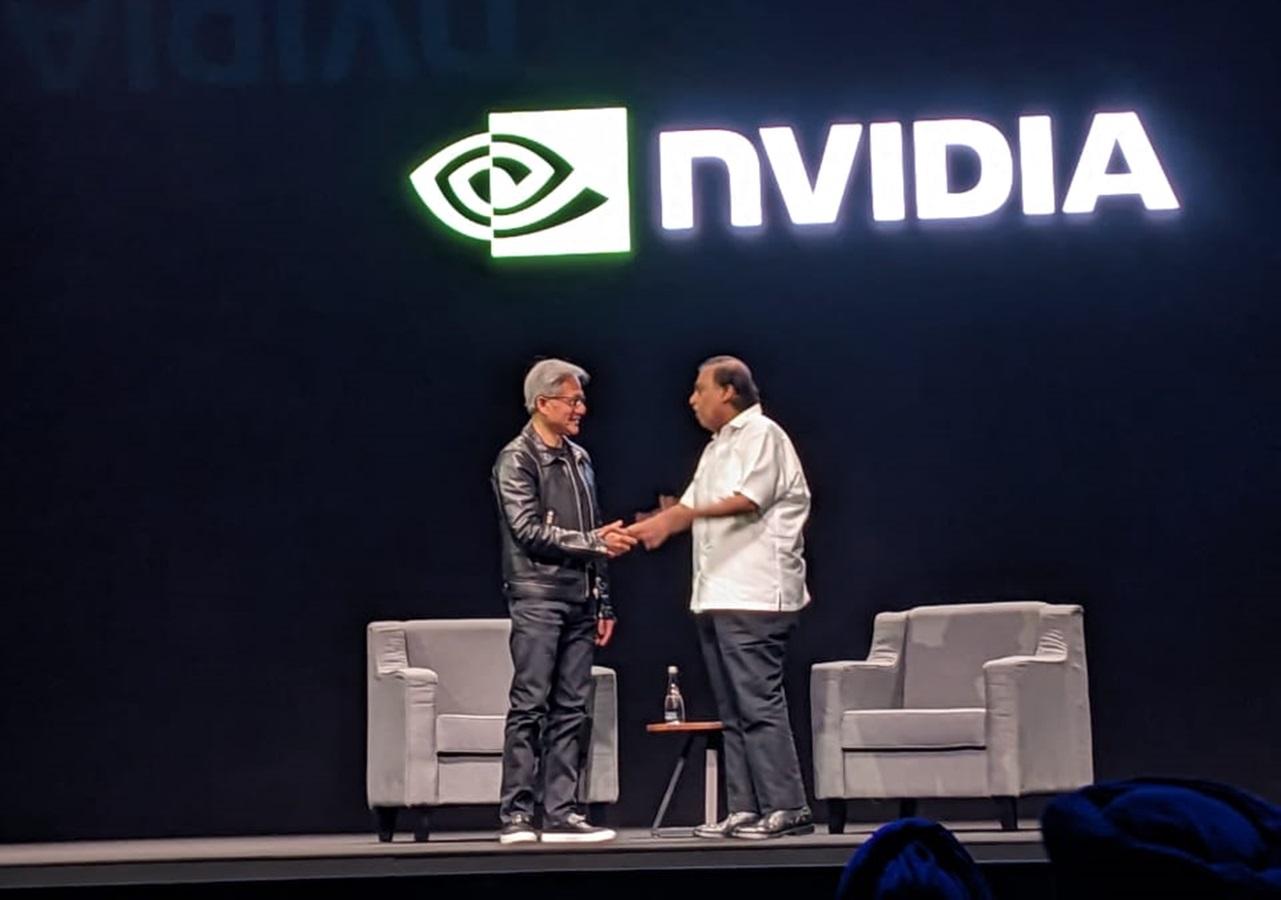
Artificial intelligence is rapidly reshaping the global technology landscape, and India is emerging as one of the most exciting markets in this transformation. Chip giant Nvidia is expanding its presence in India by building new partnerships with venture capital firms, cloud providers, and government-backed initiatives. The move highlights how seriously the company views India’s potential as a future AI powerhouse.
From funding AI startups to helping build large-scale data centers, Nvidia’s strategy reflects a broader trend: global tech companies are increasingly investing in India’s fast-growing digital economy.
Why India Is Becoming a Major AI Hub
A Fast-Growing Startup Ecosystem
India has developed one of the world’s most vibrant startup ecosystems, particularly in technology. Venture capital firms are actively seeking opportunities there, partly because India’s strong IPO market has delivered attractive returns to investors.
Nvidia recently announced collaborations with major venture capital firms including Peak XV and Accel India to identify and fund promising AI startups. These partnerships aim to accelerate innovation while giving young companies access to advanced computing technology.
More than 4,000 Indian startups have already joined Nvidia’s global startup support program, which helps companies develop, scale, and launch AI-driven products.
Government Support and Policy Push
India’s government is actively encouraging AI development through initiatives such as the IndiaAI mission. The program aims to strengthen domestic AI capabilities, support entrepreneurs, and ensure that the country develops its own AI technologies rather than relying entirely on foreign solutions.
Prime Minister Narendra Modi has repeatedly emphasized technology leadership as a national priority, with ambitions to position India as a global tech superpower.
Data Centers and Infrastructure Investments
Massive Spending Expected
AI requires enormous computing power, which means advanced data centers are essential. Indian officials estimate the country could attract up to $200 billion in data center investments in the coming years.
Nvidia is supporting this growth by partnering with local cloud providers including Yotta, Larsen & Toubro, and E2E Networks. These partnerships focus on deploying Nvidia AI chips and building infrastructure capable of handling advanced AI workloads.
Renewable Energy and Large-Scale Projects
Indian conglomerate Adani Group has announced plans to invest around $100 billion into renewable-energy-powered data centers designed specifically for AI applications. This aligns with India’s broader goals of sustainable development alongside technological advancement.
Global tech giants are also investing heavily. Companies like Amazon, Microsoft, and Google have collectively committed tens of billions of dollars toward AI infrastructure and cloud computing capacity in India.
Nvidia’s Technology Strategy in India
AI Chips and Cloud Computing
Nvidia is best known for its graphics processing units (GPUs), which are widely used to power artificial intelligence systems. By providing these chips to Indian cloud providers and data centers, Nvidia ensures that local companies can access the computational power needed for AI research, product development, and large-scale deployment.
This infrastructure support is critical because AI applications require vast computing resources, especially for training complex models.
Supporting Local AI Models
Another key part of Nvidia’s strategy involves its proprietary AI model family known as Nemotron. These models allow businesses to develop chatbots, automated assistants, speech recognition systems, and other AI-driven tools.
Importantly, Indian companies can train these models using local languages, cultural context, and region-specific data. This helps create what many experts call sovereign AI.
Understanding Sovereign AI
What Sovereign AI Means
Sovereign AI refers to a nation’s ability to build and operate artificial intelligence systems using its own infrastructure, data, and expertise. This reduces dependence on foreign providers and enhances data security, economic independence, and technological competitiveness.
For India, developing sovereign AI is seen as essential not only for economic growth but also for strategic autonomy in an increasingly digital world.
Why It Matters Globally
Countries worldwide are now prioritizing domestic AI capabilities. From national security considerations to economic competitiveness, governments increasingly want control over critical AI technologies.
Nvidia’s partnerships position it as both a technology provider and a collaborator in India’s push for AI independence.
The Role of AI Summits and Global Collaboration
India recently hosted a major AI summit attended by technology leaders, policymakers, and international experts. Nvidia CEO Jensen Huang was expected to participate but reportedly withdrew due to unforeseen circumstances.
Even so, the company’s announcements during this period highlight how closely global tech firms are watching India’s AI development.
Such events often lead to new collaborations, policy discussions, and investment commitments that shape the future of technology ecosystems.
Venture Capital Interest in Indian AI Startups
Rising Investor Confidence
Investors are increasingly optimistic about India’s technology sector. Factors driving this interest include:
a large and skilled talent pool
rapid digital adoption among consumers
strong government support for technology innovation
growing success stories from Indian startups
By partnering with venture capital firms, Nvidia gains early access to promising companies while helping accelerate innovation across the ecosystem.
Potential Economic Impact
The combination of private investment, government policy, and global corporate involvement could significantly boost India’s AI industry. This may lead to:
new jobs in technology sectors
increased exports of digital services
faster innovation in industries like healthcare, finance, and education
stronger global competitiveness
Challenges Ahead
Infrastructure and Talent Gaps
Despite rapid progress, challenges remain. Building enough data centers, ensuring reliable energy supply, and training skilled AI professionals are ongoing priorities.
Regulatory and Ethical Considerations
AI development also raises questions about data privacy, ethics, and governance. India, like many countries, will need clear policies to balance innovation with responsible AI use.
What This Means for the Global AI Race
Nvidia’s expanding partnerships in India show how the global AI race is evolving. Instead of focusing only on traditional tech hubs like the United States or China, companies are increasingly looking at emerging markets with strong talent pools and growing digital economies.
India’s combination of government support, startup innovation, and foreign investment could make it one of the world’s leading AI ecosystems over the next decade.
For Nvidia, this strategy ensures continued demand for its AI chips while strengthening relationships with future industry leaders.
Conclusion
Nvidia’s growing investments and partnerships in India highlight the country’s rising importance in the global artificial intelligence landscape. From startup funding and AI model development to massive data center projects, the collaboration reflects a shared vision of technological growth and innovation.
India’s push for sovereign AI, supported by government initiatives and international corporate investment, could reshape the global tech balance. While challenges remain, the momentum suggests that India is well on its way to becoming a major force in artificial intelligence.
For businesses, investors, and technology professionals, this evolving partnership signals new opportunities and a rapidly expanding frontier in AI development.


