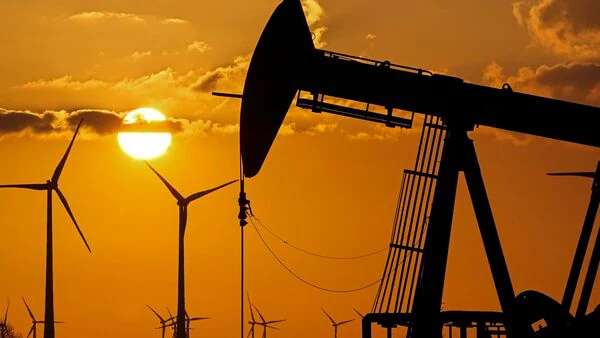
Oil Prices Jump as Global Tensions Shake Markets
Oil prices are climbing again, and this time the reason is not just supply and demand — it is growing geopolitical tension.
On Tuesday, global oil prices surged more than 2% as uncertainty increased around efforts to protect critical shipping routes in the Middle East. The situation has left traders nervous and markets reacting quickly.
The international benchmark Brent crude crossed $102 per barrel, while U.S. crude also saw a strong rise. These movements signal that the market is increasingly worried about disruptions to global oil supply.
What’s Driving the Sudden Rise in Oil Prices?
The main trigger behind this surge is uncertainty surrounding the Strait of Hormuz — one of the most important oil shipping routes in the world.
Why the Strait of Hormuz Matters
The Strait of Hormuz is a narrow waterway located between Oman and Iran. It plays a crucial role in global energy supply.
- Around 13 million barrels of oil pass through it every day
- It accounts for nearly one-third of all seaborne crude oil trade
- Any disruption here can impact global oil prices immediately
In simple terms, if this route is threatened, the entire world feels the impact.
Rising Tensions and Confusion in U.S. Strategy
A major source of uncertainty is the mixed messaging coming from the Trump administration.
Officials have given conflicting signals about how the U.S. plans to handle the situation in the region.
What U.S. Officials Are Saying
Scott Bessent stated that Iranian oil tankers are currently being allowed to pass through the strait. This suggests that there is no immediate blockade.
At the same time, reports indicate that the U.S. is planning to form a coalition of countries to escort ships safely through the region.
However, Donald Trump hinted that such a coalition is not fully ready yet. He also expressed frustration that some countries are unwilling to participate.
Why This Confusion Matters
Markets dislike uncertainty more than anything else.
- Lack of a clear plan increases risk
- Traders begin to price in worst-case scenarios
- Oil prices rise as a result
A Major Disruption in Global Oil Supply
The situation has already started affecting oil flows.
Shipping activity through the Strait of Hormuz has dropped significantly following recent attacks on vessels. This has created one of the largest disruptions in global oil supply in recent history.
What Experts Are Saying
Energy analysts believe the scale of disruption is too large to ignore.
The market is struggling to find a quick solution because:
- Alternative routes are limited
- Production cannot easily increase overnight
- Security risks remain high
This combination is pushing oil prices higher and increasing volatility.
Why Protecting Ships Isn’t So Simple
One of the proposed solutions is to send naval forces to escort oil tankers through the strait. While this sounds straightforward, it comes with serious challenges.
Risks of Naval Escorts
- Military ships could become direct targets
- Escalation of conflict is possible
- Insurance and logistics issues remain unresolved
Experts suggest that until the threat level decreases, large-scale escort operations may not be implemented.
Market Reaction: Why Prices Are Rising Fast
Oil markets react quickly to risk, especially when supply is threatened.
Key Reasons Behind the Price Surge
- Fear of supply disruption
- Lack of clear geopolitical strategy
- Reduced tanker movement
- Uncertainty over military protection
Even the possibility of disruption is enough to push prices higher.
How This Impacts the Global Economy
Rising oil prices don’t just affect energy markets — they ripple across the entire global economy.
Higher Fuel Costs
- Petrol and diesel prices may increase
- Transportation becomes more expensive
Rising Inflation
When oil prices go up, the cost of goods and services often follows. This can lead to higher inflation worldwide.
Pressure on Businesses
Industries that rely heavily on fuel — such as airlines, shipping, and manufacturing — may face higher operating costs.
Why the Strait of Hormuz Is So Critical
To understand the seriousness of the situation, it’s important to grasp just how vital this route is.
A Global Energy Lifeline
The Strait of Hormuz is not just another shipping lane — it is one of the most strategic points in global trade.
- Connects major oil producers to global markets
- Essential for energy supply in Asia, Europe, and beyond
- Any disruption affects multiple continents
This is why even small incidents in the region can have massive global consequences.
What Could Happen Next?
The future of oil prices depends largely on how the situation develops in the coming days.
Scenario 1: Tensions Ease
If diplomatic efforts succeed and shipping resumes normally:
- Oil prices could stabilize
- Market confidence may return
Scenario 2: Conflict Escalates
If attacks continue or worsen:
- Oil prices could rise even further
- Supply shortages may occur
- Global markets could face volatility
Scenario 3: Coalition Takes Action
If a strong international coalition is formed:
- Shipping may become safer
- Prices could settle, but risks will remain
A Market on Edge
Right now, the oil market is in a highly sensitive state.
Every new update — whether political, military, or economic — has the potential to move prices significantly.
Traders are watching closely for:
- Official announcements from governments
- Changes in shipping activity
- Signs of military escalation or de-escalation
Final Thoughts
The recent surge in oil prices is not just about supply and demand — it is about uncertainty, risk, and global tension.
With the Strait of Hormuz at the center of the issue, even small developments can have a major impact on energy markets worldwide.
As the situation unfolds, the world will be watching closely. Whether prices continue to rise or stabilize will depend on how quickly a clear and effective solution emerges.
For now, one thing is certain — the oil market is on edge, and the stakes are high.