Something massive is happening in the tech world, and most people are completely missing it. Billionaire investor Ray Dalio has just sounded the alarm: the Middle East is transforming into one of the most powerful tech and AI centers on the planet. According to him, the same electric feeling that once defined Silicon Valley is now pulsing through cities like Dubai, Abu Dhabi, and Riyadh.
This isn’t a quiet shift. It’s a technological awakening backed by trillions in capital, global partnerships, and a level of ambition the world hasn’t seen in decades.
Dalio’s message is simple: the global tech map is being redrawn, and the Middle East is demanding a spot at the top.
A Shift Silicon Valley Never Expected
Ray Dalio Says the Region Has the Same Energy San Francisco Once Had
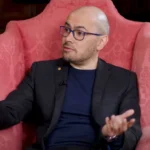
When Ray Dalio speaks, global markets listen. And now, he’s pointing to the Middle East as the future of tech innovation. He describes a buzz in the region that reminds him of Silicon Valley during its rise to power—young, hungry talent mixing with unstoppable ambition.
But unlike Silicon Valley’s early days, the Middle East already has the one ingredient every startup ecosystem dreams of: capital. And lots of it.
A Magnet for Visionaries, Founders, and Global Innovators
The Middle East has opened its doors to the world’s brightest minds. Engineers, researchers, AI labs, venture capitalists, and startup founders are flowing into the region, attracted by generous funding, top-tier infrastructure, and governments that are directly backing innovation.
This isn’t just a tech movement. It’s a strategic repositioning of global power.
Billions Are Pouring Into the AI Race
The Region’s Investment Strategy Is Unmatched
While other countries debate AI regulations and funding, the Middle East is building. New data centers, supercomputing hubs, cloud networks, and research facilities are rising at breakneck speed.
The UAE and Saudi Arabia are leading the charge, investing billions to ensure the region becomes essential in the world of artificial intelligence. Their goal is simple: don’t just join the AI race—dominate it.
The $10 Billion Deal That Shook the Tech World
One of the clearest signs of this ambition is the massive $10 billion partnership between Google Cloud and Saudi Arabia’s Public Investment Fund. Their mission is bold and unmistakable: create a global AI headquarters within Saudi Arabia.
This deal sends a message to Silicon Valley and the rest of the world. The Middle East is no longer watching the future unfold—it’s building it.
The World Is Watching, But Some Are Getting Nervous
Silicon Valley Faces a Powerful New Competitor
For decades, Silicon Valley has assumed it would always be the center of global innovation. But with billion-dollar initiatives launching every few months, the Middle East is challenging that dominance.
This new powerhouse has something Silicon Valley never had at its beginning: massive state-backed funding and a unified vision to become the world’s technology leader.
The Talent Surge Could Change Everything
When billions of dollars flow into infrastructure and innovation, talent follows. And that’s exactly what’s happening.
AI experts, top engineers, and tech founders are relocating to the region for opportunities they simply can’t find elsewhere. With access to rapid funding, partnerships, and bold national strategies, the Middle East is becoming irresistible to people who want to build fast and think big.
Could the Middle East Really Become the New Global Tech Capital?
Dalio Says It’s Already on Its Way
Ray Dalio’s message is clear: the Middle East isn’t aspiring to be a major player in tech—it already is. The energy, the investment, the determination, and the global partnerships all point to a future where the region stands shoulder-to-shoulder with the world’s biggest technology hubs.
And in some areas, it might even surpass them.
A Future Built on Vision, Wealth, and Relentless Growth
The Middle East’s vision for the future is bigger than any single tech company or investment. It’s about transforming entire economies, creating millions of high-tech jobs, and placing the region at the center of the world’s most important breakthroughs.
If this momentum continues, the Middle East could become one of the most influential tech forces the world has ever seen.
The question now is whether the rest of the world can keep up.