The Rate Cut That Blew Up Every Forecast
In a move that Wall Street insiders are already calling the most shocking Fed decision of the year, the Federal Reserve quietly slashed interest rates again. What looked like a routine policy announcement erupted into one of the most dramatic days in recent financial history. Markets surged, analysts scrambled to update their outlooks, and Fed watchers were left stunned by how quickly the central bank’s tone shifted.
This wasn’t supposed to happen. Not like this.
With inflation still hovering above target and the economy sending mixed signals, most experts expected the Fed to stay cautious. Instead, policymakers pulled the trigger on a fresh quarter-point rate cut, pushing the benchmark range to 3.5 to 3.75 percent. It was the third cut of the year, and it sent a message even louder than the numbers themselves.
But the real shock wasn’t the cut. It was everything that happened around it.
The Fed Is Splitting Apart Behind Closed Doors
The Vote That Revealed What No One Expected
Inside the Federal Open Market Committee, tensions have been rising for months. This latest meeting exposed just how deep the cracks have become.
The vote was 9–3. More divided than anything we’ve seen recently.
Chicago Fed President Austan Goolsbee and Kansas City Fed President Jeffrey Schmid voted against any cut at all. They wanted to hold the line. Meanwhile, Governor Stephen Miran pushed for something much bolder: a half-point slash. That kind of disagreement is a flashing red light for anyone watching monetary policy.
It means one thing: the Fed is no longer unified on what the economy needs next.
The Fight Over Inflation vs. Jobs
The battle brewing inside the Fed revolves around a simple question with enormous consequences: Which risk is greater right now—rising unemployment or stubborn inflation?
On one side are officials who fear a weakening job market could slide into something more serious if the Fed doesn’t step in soon. On the other are those terrified that cutting too aggressively might spark another wave of inflation.
The divide is so sharp that this decision came down to what Chair Jerome Powell himself later admitted was a close call.
And then he said the one sentence that changed everything.
Powell’s Statement That Ignited a Market Frenzy
Powell’s Unexpected Announcement
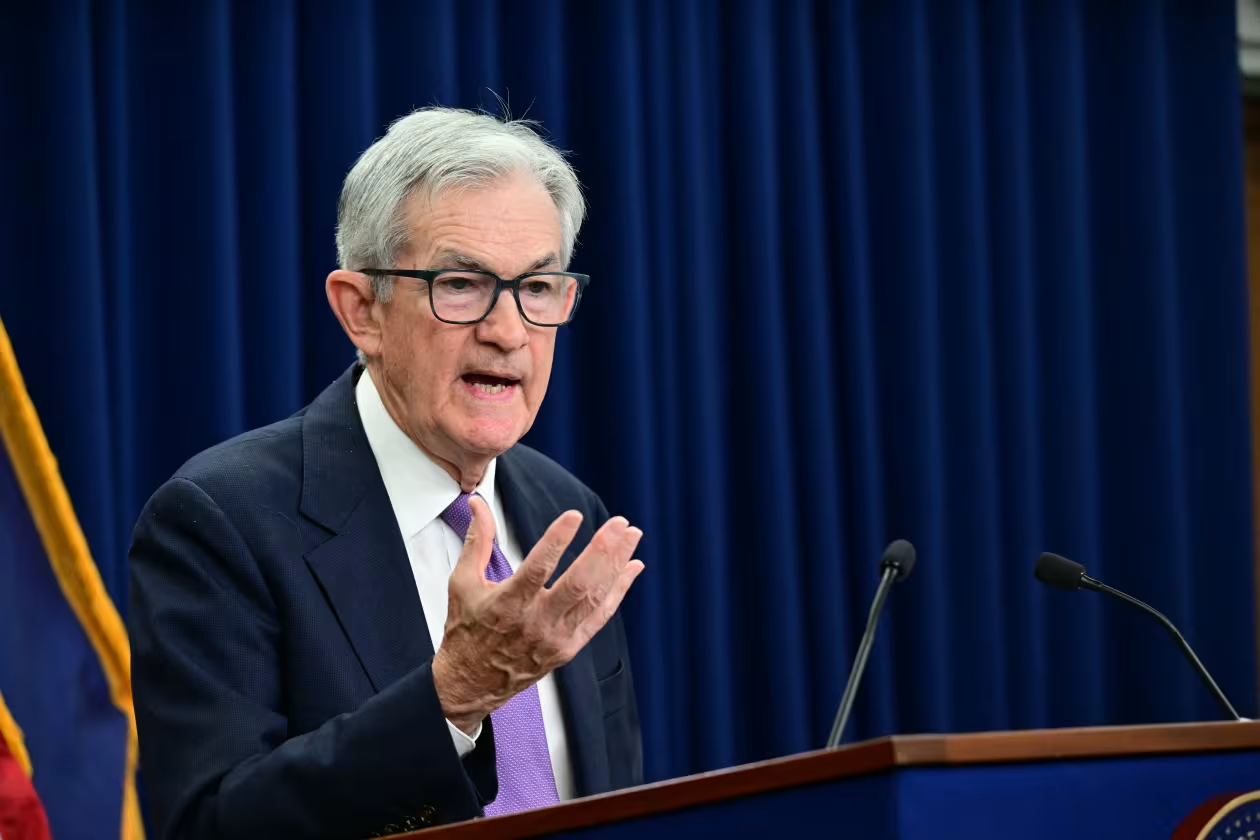
During the press conference that followed the announcement, Powell dropped a line that immediately sent shockwaves through the financial world:
Rate hikes are off the table.
That was the moment everything shifted. Investors had been nervous that the Fed might need to raise rates again if inflation stayed sticky. Powell’s remark didn’t just suggest otherwise—it slammed the door shut.
With those four words, Powell shifted the narrative from cautious to confident. And the markets reacted instantly.
The Rally That Nobody Saw Coming
Within minutes, stocks surged. Bond yields plunged. Traders who had been bracing for more uncertainty suddenly rushed to buy. It was one of the fastest sentiment reversals in months.
Why? Because Powell’s message delivered what the markets craved most: direction.
No more guessing. No more fear of surprise hikes. The Fed had effectively told investors that the tightening cycle is over, even if they aren’t ready to say the easing cycle has officially begun.
But the truth is, it already has.
The Start of the Fed’s Quiet New Strategy
Welcome to Stealth Easing
Behind all the drama, the Fed appears to be launching a slow, subtle shift toward easier money. Experts call it stealth easing—small rate cuts delivered quietly, intentionally, and without the dramatic fanfare of a full policy pivot.
It’s a way to pump a bit of oxygen back into the economy without admitting they’re worried. It’s also a way to protect their credibility while giving themselves room to move quickly if conditions worsen.
This approach is deliberate. Gradual. Calculated.
Why the Fed Might Be More Worried Than They’re Saying
While Powell remained calm at the podium, the signs are hard to miss. The job market has been losing steam. Wage growth is cooling. Job openings have been falling steadily. And layoffs, though still moderate, are rising in key industries.
By cutting now, the Fed is trying to get ahead of the slowdown. They’re trying to prevent the kind of sudden labor shock that can lead to spiraling unemployment.
They won’t admit it out loud, but this latest decision reveals just how fragile they believe the economic moment really is.
What Investors Should Expect Next
More Cuts Are On the Horizon
Powell didn’t promise more cuts, but he didn’t need to. The moment he ruled out further hikes, he practically paved the way for future easing.
If inflation continues to cool—and especially if the job market continues to soften—the Fed will almost certainly push rates lower again. Financial markets have already started betting heavily on another cut by the end of the year.
What happens next depends entirely on the data. Every inflation print. Every jobs report. Every consumer spending number.
The Narrow Path to a Soft Landing
The Fed is attempting something few central banks have ever pulled off: cooling inflation without crushing the labor market. It’s a tightrope, and one wrong step could send the economy in either direction—too hot or too cold.
That’s why Powell chose his words so carefully. He gave the markets confidence without overcommitting. He reassured the public without signaling panic.
But the reality remains: the economy is at a crossroads.
How This Decision Hits Your Wallet
Borrowing Costs Could Finally Ease
Homebuyers, car shoppers, and credit card users may not feel the difference immediately, but this latest cut is the first step toward easing borrowing costs. As rates drift lower, loans become less expensive, monthly payments become more manageable, and financing becomes more accessible.
Businesses, too, could benefit from cheaper capital, allowing them to hire, expand, or invest more freely.
The One Thing That Could Complicate Everything
Inflation is the wildcard. If price pressures flare up again, the Fed’s delicate balancing act could unravel quickly. That’s why Powell avoided making bold promises. He knows the risks.
But for the moment, the central bank believes it can manage inflation without tightening again. And that alone marks a major turning point.
The Bottom Line
The Fed’s latest meeting didn’t just change interest rates. It changed the trajectory of the entire economy.
A divided vote exposed internal tension. A surprise rate cut signaled a subtle shift in strategy. And Powell’s declaration that rate hikes are done triggered a market eruption and set the tone for the months ahead.
Whether this becomes the beginning of a full easing cycle or simply a cautious adjustment, one thing is certain: the Fed has chosen its path. And everyone—from Wall Street to Main Street—will feel the impact.
This story isn’t just about a rate cut. It’s about a central bank quietly rewriting the economic script for the rest of the year.