Chinese EV Maker Xpeng Breaks the Rules
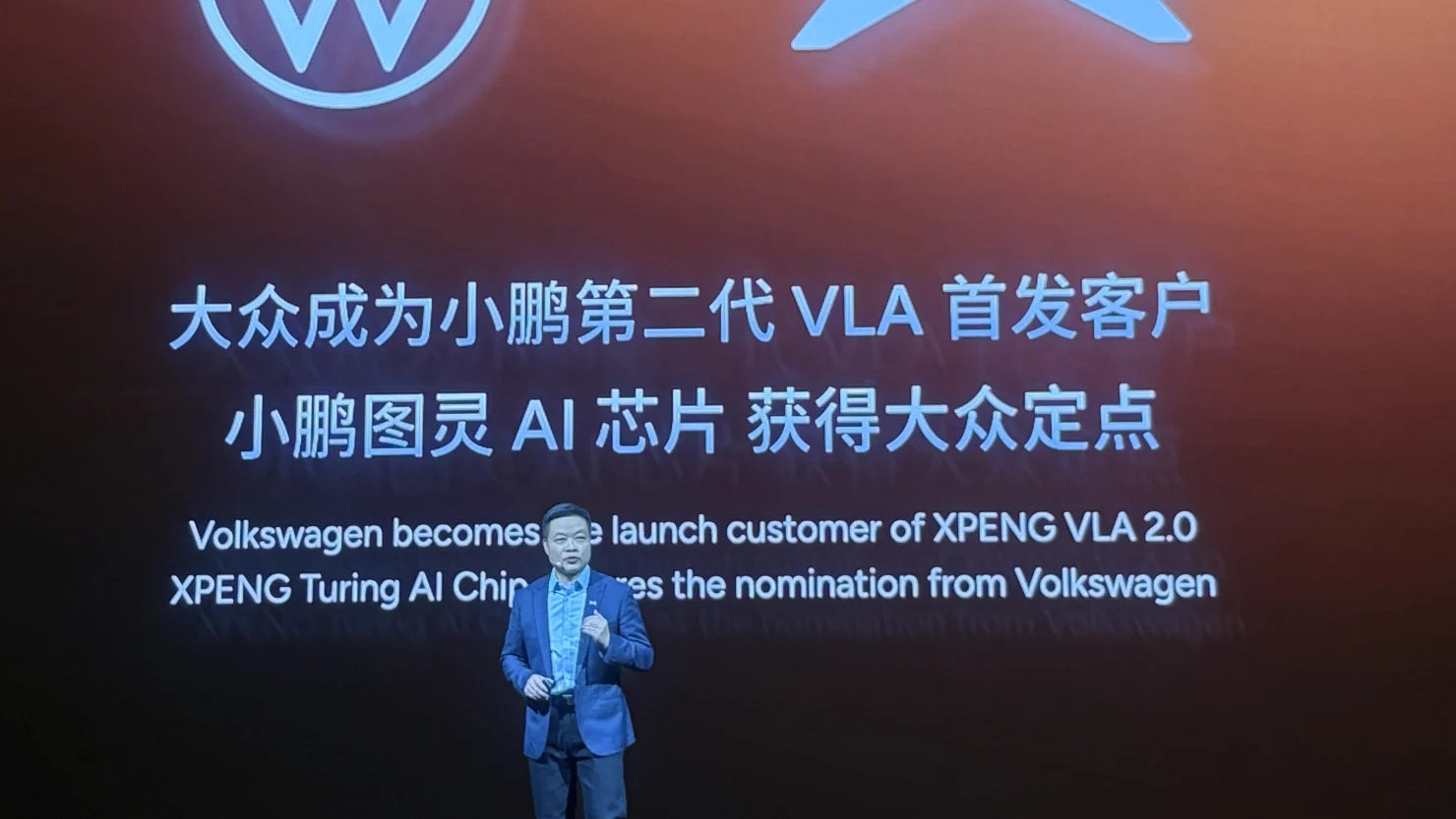
Xpeng, the Chinese electric car company, just shook the automotive world. The company announced it will launch a next-generation driver-assist system in early 2026 — and it’s letting other carmakers use it, starting with Volkswagen. That’s right: Xpeng is now competing with Tesla not just with its cars, but with its software.
At its “AI Day” event, CEO Xiaopeng He claimed the system is faster, smarter, and requires less human input than Tesla’s Full Self-Driving. According to Xpeng, it can navigate narrow streets and tight city corners better than Tesla — completing test routes several minutes quicker. For anyone watching the EV race, this is a huge statement.
Volkswagen Gets First Access — What This Means
Volkswagen will be the first automaker to integrate Xpeng’s semi-autonomous system into its vehicles. This is more than a partnership — it’s a sign that Xpeng is no longer just building cars; it’s selling cutting-edge tech.
By licensing its software, Xpeng could earn billions while putting pressure on Tesla, which has dominated the semi-autonomous market for years. This move also opens the door for other carmakers to adopt Xpeng’s technology, potentially rewriting the rules of the self-driving game.
Why Xpeng Claims It Beats Tesla
Xpeng’s system handles narrow streets, congested urban environments, and tricky city scenarios with minimal human intervention. While Tesla focuses heavily on highway autonomy and features like autopilot, Xpeng is doubling down on real-world city driving challenges.
The company demonstrated that its system completes test routes faster than Tesla’s Full Self-Driving, giving it a claimed edge in efficiency and practical usability. In other words, Xpeng isn’t just talking — it’s putting its tech to the test.
A Strategic Shift for Xpeng
By opening its tech to competitors, Xpeng is positioning itself as a global software powerhouse. The company is signaling that its ambitions go far beyond making EVs — it wants to dominate autonomous driving software.
This approach creates new revenue streams and global partnerships, while also putting Tesla on notice: other automakers may now adopt superior self-driving software without having to develop it themselves.
The Tesla Challenge
Tesla has long been the industry benchmark for autonomous driving. But with Xpeng claiming superior city navigation and offering its software to competitors, the competition is heating up. Volkswagen and potentially other automakers could now leapfrog Tesla in practical autonomous tech.
If Xpeng’s software proves as good as advertised, Tesla may face an unexpected threat — not from another carmaker, but from a tech-savvy EV upstart from China.
Looking Ahead
Xpeng’s rollout in early 2026 could reshape the autonomous driving landscape, especially in Europe and urban markets where narrow streets make self-driving particularly challenging.
This bold move is a warning: the race for autonomous driving supremacy is no longer just about cars — it’s about software, partnerships, and who can turn advanced tech into a global standard first.
Xpeng isn’t just building a car — it’s challenging Tesla, changing the rules, and proving that Chinese EV companies are serious contenders on the world stage.