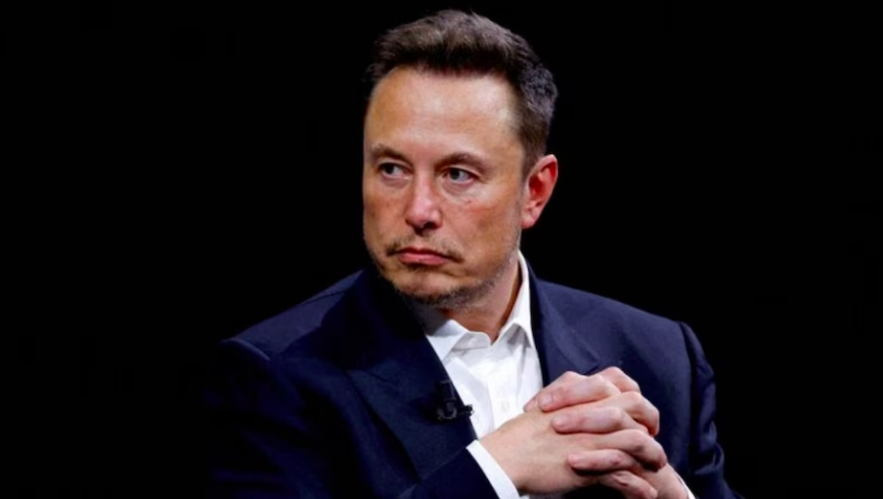
The bombshell news broke earlier this week when a long-building rumor was confirmed: Elon Musk, 52, has a secret child with an international pop star. Letters filed in a San Francisco court, first reported by Vanity Fair and corroborated by The New York Times, reveal that Musk and the singer — whose identity remains confidential due to privacy concerns — welcomed a son in late 2023. The parties involved have not made public statements, citing the child’s right to privacy.
Multiple sources close to the family told Reuters that the two maintained a low-profile relationship during the tumultuous months in which Musk was finalizing high-profile acquisitions and major product launches. “[Elon wants to protect his children from the spotlight, especially while they’re young,]” one source familiar with the situation shared. This is reportedly Musk’s 11th child.
Continued Focus on Musk’s Private Life
This revelation adds new complexity to Musk’s family life. He has previously been open about relationships with Canadian singer Grimes (with whom he shares three children) and Canadian author Justine Musk. The latest news has sparked conversations on social media about the blurred lines between public and private life for high-profile tech executives.
Musk’s Admissions of Ketamine Use
Compounding the intrigue, Musk acknowledged — both in interviews and online postings — his use of ketamine, a drug often prescribed off-label for treatment-resistant depression but also misused recreationally. In a candid interview with The Wall Street Journal in early June, Musk stated, “[Ketamine occasionally helps me manage depression, and my physicians are aware and supportive of my supervised, medical use.]” He quickly clarified that he does not use the substance recreationally.
The U.S. Food and Drug Administration (FDA) has approved certain forms of ketamine for depression, but its misuse and potential side effects, such as dissociation and memory loss, have also prompted controversy. Some Tesla shareholders have raised questions about whether Musk’s drug use could affect his fitness as CEO, especially with the company navigating increasingly turbulent market conditions.
Corporate Governance and Substance Disclosure
While no evidence has surfaced suggesting Musk’s ketamine use has impacted his decision-making, experts say the situation illustrates broader governance challenges faced by companies run by singular, high-profile leaders.
“[Shareholders need transparency when it comes to the actions of key executives, especially concerning behavior that could affect their judgment,]” said Dr. Steven Parker, a professor of business ethics at Stanford University. Tesla and SpaceX have not issued formal statements on the matter.
Public Reaction and Social Media Response
The convergence of these two revelations has set social media abuzz, with hashtags like #MuskBombshell and #TeslaDrama trending worldwide. While some supporters defend Musk’s right to privacy, others question the boundaries of responsible leadership and the pressures placed on influencer CEOs.
Noted columnist Kara Swisher tweeted, “[Musk’s genius is not in question, but his boundary-pushing personal life highlights the risks of founder-driven companies.]” Meanwhile, investor groups have called for a special meeting to discuss Tesla’s leadership structure.
Broader Implications For Business and Celebrity Culture
Musk’s personal disclosures come at a time when tech leaders are under increasing scrutiny for both their professional and private conduct. Industry analysts suggest these stories could shift conversations around the responsibilities of leaders, especially those whose actions can move markets and shape public opinion.
Tech industry consultant Edwin Chen comments, “[The merging of celebrity and CEO personas is accelerating. Investors, employees, and the public want confidence that leadership can balance high risk, high innovation, and personal stability.]”