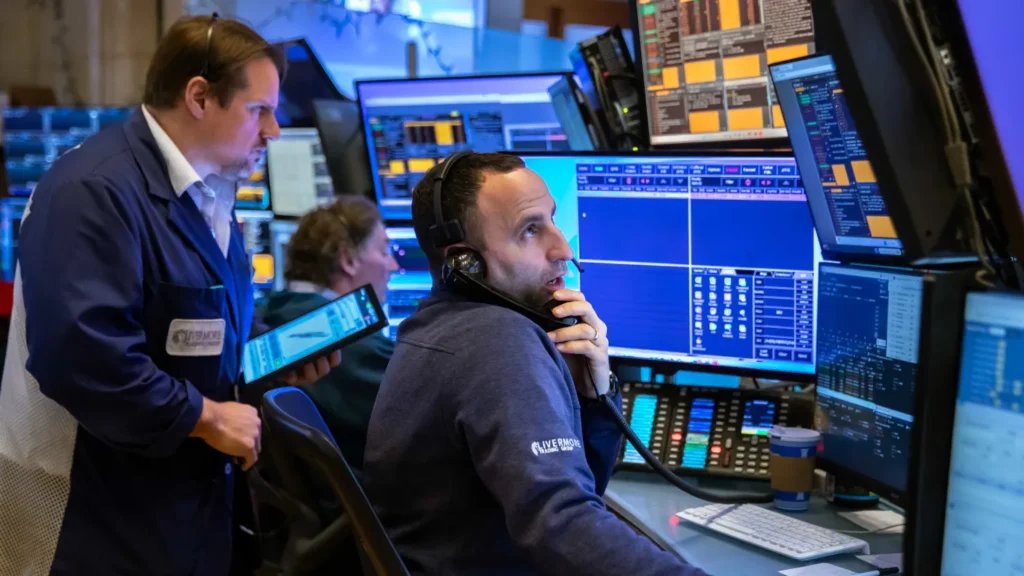
Stocks sank in early Monday as a new trading month began, amid deliberations by investors on fresh U.S. tariffs imposed on goods from key trade partners and their possible effects on the economy and corporate profits.
Market Reactions
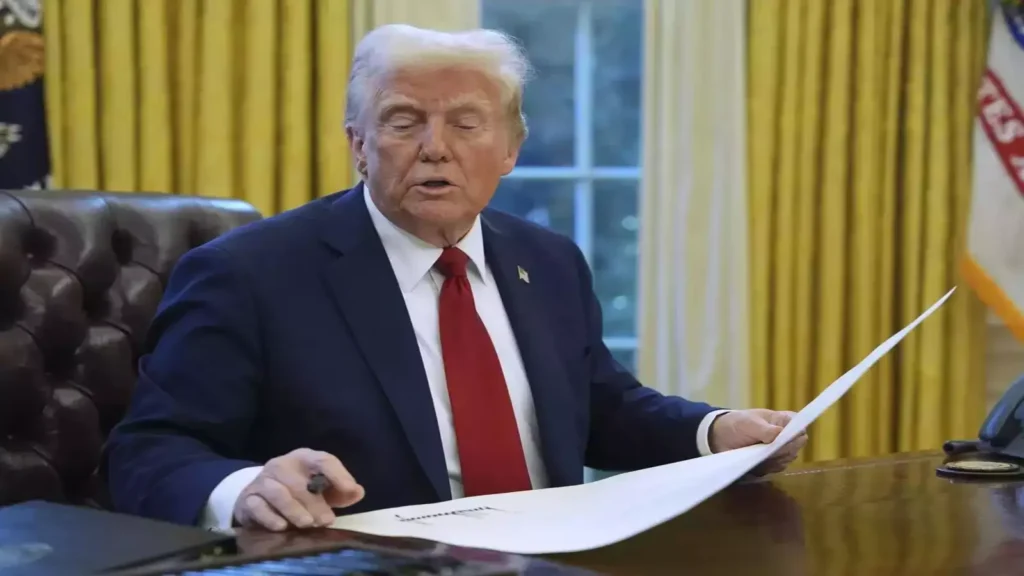
Dow futures fell 666 points, or 1.49%, and S&P 500 futures also plummeted. The market responded quickly to President Donald Trump’s Saturday announcement that the U.S. would impose a 25% tariff on goods from Mexico and Canada, as well as a 10% levy on imports from China. The U.S. conducts about $1.6 trillion in trade with these three countries, so the tariffs are an important economic action with wide-ranging implications.
The reaction from the affected countries was immediate and robust. Canada responded with retaliatory tariffs on the U.S. goods, and Mexico indicated it was exploring levies on American imports. In response, China vowed to file a lawsuit with the World Trade Organization (WTO), meaning further global trade tensions are not out of the question.
Effects on the Market and Economy
The tariffs raised concerns over economic growth, inflation, and corporate profits. Investors feared that the increased cost of imports could lead to higher prices for consumers and businesses, potentially reducing overall demand.
Oil and gasoline futures traded higher following the tariff news, while the U.S. dollar also advanced. Traders closely monitored these developments amid expectations of a more volatile market environment.
Stock market analysts noted that Trump’s tariff agenda is being taken more seriously, potentially leading to continued market instability. Tobin Marcus, head of U.S. policy and politics at Wolfe Research, stated, “Markets may now need to take the rest of Trump’s tariff agenda literally rather than just seriously … If this new level of seriousness gets priced in suddenly, Monday could be a rough day for markets.”
Major corporate earnings and employment data will be the other main event of this week. More than 120 companies in the S&P 500 will release their fourth-quarter earnings reports this week, which include the likes of Alphabet and Amazon. Those reports have taken on added importance lately as investors use them to gauge market conditions in a more significant way with AI stocks remaining under scrutiny.
On the other hand, the labor market report was also expected on Friday. According to Dow Jones economists, January’s nonfarm payrolls were forecasted to be 175,000 in the previous month with the unemployment rate staying the same at 4.1%.

Market Volatility and Performance
Despite recent volatility, the major U.S. stock indexes had shown resilience up until this week. The S&P 500 gained 2.7% in January and the tech-heavy Nasdaq Composite outperformed, jumping 4.7%. But then came the news of a fresh round of tariffs that threatened to break the trend.
The investors were also expecting possible Federal Reserve policy moves because inflation fears as well as economic slack could trigger interest rate changes. The stock market was also likely to come under further strain in the following weeks if there were warnings of a slowing down in corporate growth or employment.
FAQs
What are the new tariffs introduced by President Trump?
President Donald Trump has imposed a 25% tariff on goods from Mexico and Canada and a 10% tariff on imports from China. These tariffs are intended to address trade imbalances and protect American industries but have led to concerns about economic disruptions and retaliatory measures from affected countries.
How did the stock market react to the tariff announcement?
Stock futures dropped dramatically, with Dow futures plummeting more than 650 points. S&P 500 and other major indices also dropped, furthered by concerns over the economic effects the tariffs would bring about. Market volatility spiked as traders weigh retaliatory moves made by trading partners.
How would these tariffs affect the economy?
The tariffs may increase the prices of goods and services for consumers and businesses, which could decrease demand. They also increase the likelihood of a wider trade war, which would slow economic growth and impact corporate profits. Inflationary pressures may cause the Federal Reserve to change interest rates.
What are some key economic indicators to watch this week?
Investors will be monitoring fourth-quarter earnings reports from major companies, including Alphabet and Amazon. In addition, the January nonfarm payrolls report will help discuss job growth and unemployment trends, contributing to broad evaluations of how the economy is doing.
How are other countries responding to the tariffs?
Canada retaliated with tariffs on U.S. goods, and Mexico is weighing the possibility of imposing levies on American imports. China said it would file a case with the World Trade Organization against the U.S. tariffs. These developments point to escalating tensions and further trade wars.
The stock market’s reaction to the new tariffs underscores the uncertainty surrounding global trade relations and economic growth. With key earnings reports and employment data on the horizon, investors remain cautious about potential volatility in the coming weeks. As trade tensions escalate, market participants will closely monitor government actions, corporate performance, and central bank policies to navigate the evolving economic landscape.