


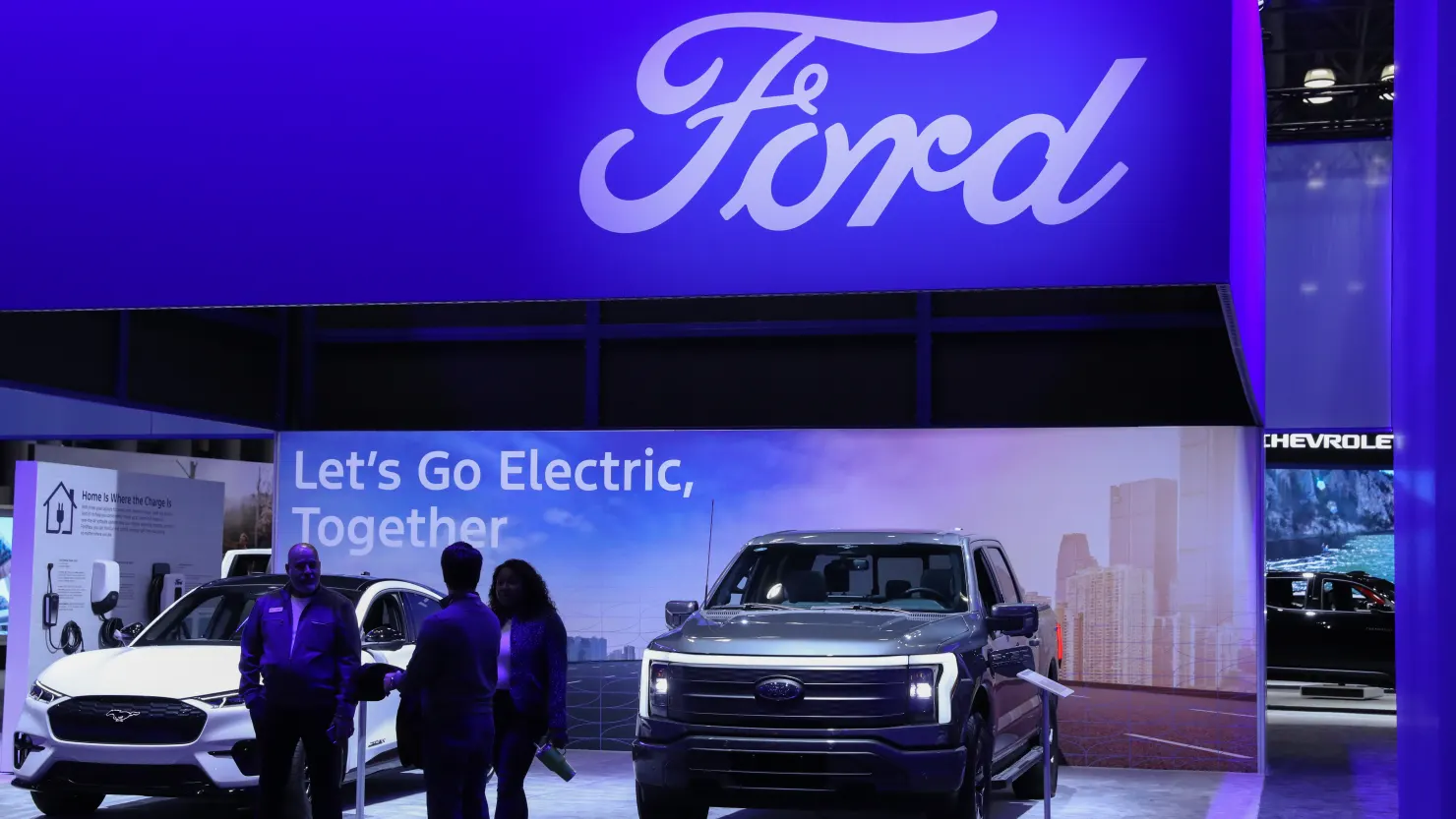
Ford Motor Company reported an 8.2 percent increase in its U.S. sales for the third quarter, fueled largely by growing demand for electric vehicles and large sport utility vehicles. The Detroit-based automaker said this surge underscores the shifting preferences of American consumers toward electrified and larger vehicles while highlighting the company’s ongoing push into the electric vehicle market.
Sales of all-electric vehicles during the quarter jumped 30.2 percent, reaching a new quarterly record of over 30,600 units. This milestone reflects Ford’s growing footprint in the EV market, as the company has expanded its lineup and invested heavily in electrification initiatives. Analysts point out that the sales spike also coincides with the end of federal EV incentives of up to $7,500 in September, which likely motivated consumers to finalize purchases before the program’s expiration.
Beyond fully electric vehicles, Ford’s broader “electrified” portfolio, which includes hybrid models, rose 20 percent compared with the same period a year earlier. This increase signals strong consumer adoption of vehicles that combine traditional internal combustion engines with electric powertrains. Models such as the Mustang Mach E contributed significantly to the growth, with sales of this electric SUV soaring 51 percent year over year.
Large SUVs were another key driver of Ford’s third-quarter performance. Sales of these models increased nearly 10 percent, demonstrating that American buyers continue to favor spacious, family-friendly vehicles with advanced features. The combination of size, performance, and utility offered by SUVs has allowed Ford to capitalize on a segment that remains highly profitable.
The rise in EV and SUV sales comes as the auto industry faces significant transitions, including tightening emissions regulations, advancements in battery technology, and a shift in consumer demand toward sustainable mobility. Ford’s ability to capture a growing share of both the electric and large vehicle markets reflects the company’s strategy to diversify its offerings and respond to these evolving trends.
Ford has emphasized that it plans to continue expanding its EV portfolio in the coming years. The automaker is investing billions of dollars in new production facilities, battery technology, and research into next-generation electric drivetrains. Industry experts believe these moves will position Ford to compete more effectively with rivals such as Tesla, General Motors, and other emerging EV manufacturers.
The company’s third-quarter results also highlight the effectiveness of its marketing and production strategies. By aligning supply with anticipated demand, Ford was able to maximize sales during a critical period. Furthermore, the company’s focus on popular vehicle segments, particularly SUVs and EVs, allowed it to outperform broader industry trends and demonstrate resilience in a competitive market.
Ford CEO Jim Farley, who marked his fifth year as the company’s chief executive, has consistently emphasized innovation and adaptability as central to the company’s strategy. Under his leadership, Ford has pursued a dual approach: expanding traditional vehicle sales while aggressively growing its electric vehicle offerings. The third-quarter results reflect early success in executing this vision, showing that investments in electrification and SUV production are beginning to pay off.
Analysts also note that Ford’s sales performance is influenced by broader economic factors, including consumer confidence, fuel prices, and federal policies. The expiration of EV incentives in September may have temporarily accelerated purchases, while the enduring popularity of SUVs continues to support the company’s overall revenue growth. Despite these variables, Ford has managed to maintain a competitive edge by aligning its products with market demand.
The third-quarter performance has implications beyond short-term sales numbers. The growth in electrified and large vehicles contributes to Ford’s long-term strategy of reducing emissions while maintaining profitability. By scaling EV production and increasing market penetration, the company aims to meet regulatory requirements, appeal to environmentally conscious consumers, and prepare for a future in which electric vehicles play an increasingly central role in transportation.
Ford’s success in the third quarter also provides a roadmap for the broader auto industry. Other manufacturers are likely to take note of consumer enthusiasm for electric SUVs and hybrid models. As automakers continue to innovate and diversify their offerings, the balance between traditional vehicles, hybrids, and fully electric models will play a critical role in shaping market dynamics over the next decade.
In summary, Ford’s third-quarter U.S. sales growth of 8.2 percent highlights the importance of electric vehicles and large SUVs in driving demand. The record-breaking sales of fully electric vehicles, coupled with strong performance in hybrid and SUV segments, underscore the company’s ability to adapt to changing consumer preferences and evolving industry trends. With ongoing investments in electrification, technology, and vehicle design, Ford is positioning itself for continued growth and competitiveness in the rapidly transforming automotive market.
The surge in EV and SUV sales not only boosts the company’s short-term revenue but also lays the foundation for a sustainable and profitable future. As Ford continues to expand its electric vehicle lineup and refine its strategy in large SUVs, industry observers will be watching closely to see how the company capitalizes on this momentum and navigates the challenges and opportunities ahead.


