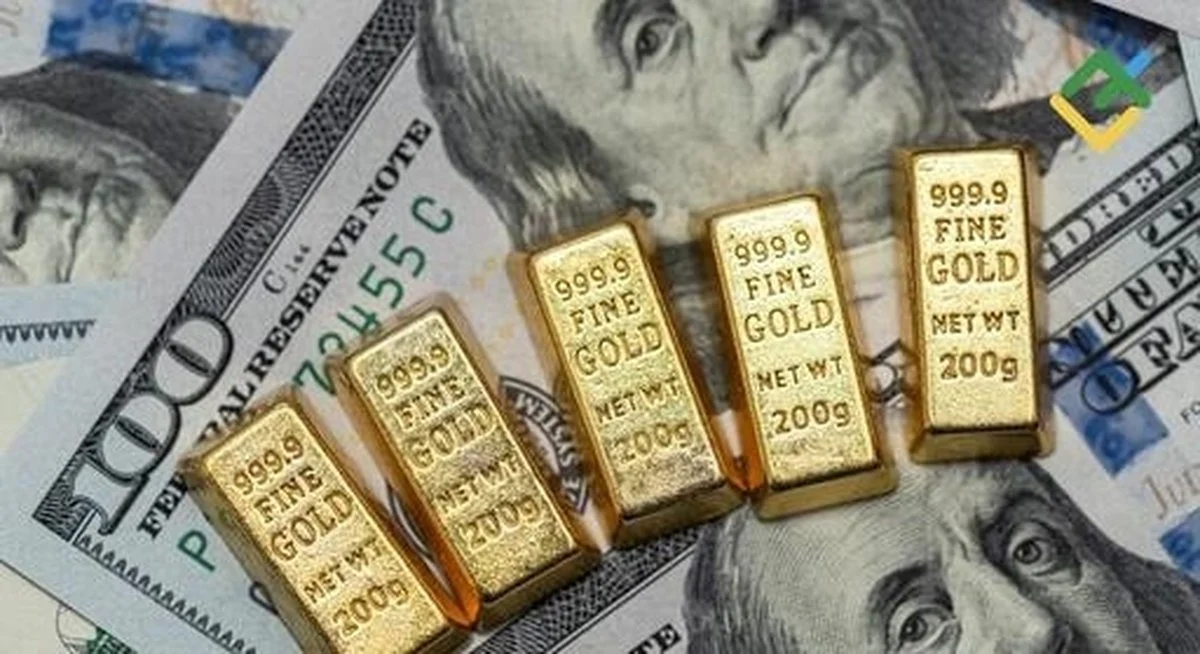
Gold Tumbles Over 5% as Dollar and Bond Yields Surge
Gold prices took a sharp hit this week, falling more than 5% and snapping a four-day winning streak. The drop came even as geopolitical tensions in the Middle East intensified — a situation that would normally send investors rushing into safe-haven assets like gold.
So why did gold fall instead of rise?
The answer lies in a stronger US dollar, rising bond yields, and growing expectations that the Federal Reserve may keep interest rates higher for longer.
Why Gold Fell Despite Rising Geopolitical Tensions
Traditionally, gold performs well during times of crisis. Investors tend to buy the precious metal when stock markets tumble or global conflict escalates.
And earlier this week, that pattern briefly held. Gold climbed as fighting in the Middle East intensified, with the United States and Israel expanding military operations and Iran targeting oil and gas infrastructure. Concerns over the Strait of Hormuz, a vital shipping route, also rattled markets.
But the rally didn’t last.
The Dollar’s Strength Overpowers Gold
A key factor behind gold’s sudden drop was the strengthening US dollar. A widely followed gauge of the greenback has risen about 1.5% this week alone.
When the dollar gains value, gold becomes more expensive for international buyers who hold other currencies. That tends to reduce demand and push prices lower.
At the same time, two-year US Treasury yields climbed toward their highest levels of the year. Rising yields make interest-bearing assets like bonds more attractive compared to gold, which does not generate income.
In short, investors chose yield and currency strength over safety.
Interest Rate Expectations Shift Again
Another major driver behind gold’s slide is shifting expectations around US interest rates.
Just days ago, traders were fully pricing in two interest rate cuts from the Federal Reserve this year. Now, markets are betting on little more than one quarter-point cut.
That change matters.
Gold is often viewed as a hedge against inflation. But when interest rates stay high, holding gold becomes less appealing because investors can earn returns from bonds or savings accounts instead.
Inflation Concerns Add to the Pressure
Ironically, inflation fears — which typically support gold — are also contributing to the decline.
Surging energy prices due to Middle East tensions have raised concerns that inflation could climb again. Manufacturing input prices in the United States jumped in February at the fastest pace since 2022, according to data from the Institute for Supply Management.
Jamie Dimon, CEO of JPMorgan Chase, warned that inflation could become a serious problem for the US economy.
If inflation rises and the Federal Reserve responds by keeping rates elevated, gold could face continued pressure despite its reputation as an inflation hedge.
Investors Forced to Sell to Cover Losses
The broader market selloff also played a role in gold’s decline.
As equities dropped sharply, some investors were forced to sell profitable assets — including gold — to meet margin calls in other parts of their portfolios. Commodity strategists at Societe Generale and MKS PAMP noted that this type of forced liquidation contributed to the metal’s slide.
In volatile markets, even safe-haven assets can be sold simply because investors need cash.
Middle East Conflict: A Double-Edged Sword for Gold
Geopolitical tensions remain high.
President Donald Trump stated that the United States would continue its military offensive for as long as necessary. Israel announced a wave of strikes targeting Iranian command centers, while Iran attacked oil and gas infrastructure and threatened shipping in the Strait of Hormuz.
Normally, such developments would fuel gold’s rally.
In fact, gold had surged at the start of the week as investors sought safety. But this time, macroeconomic forces — particularly interest rates and currency movements — proved stronger than geopolitical fear.
A Volatile Year for Precious Metals
Despite the recent drop, gold has had an impressive run in 2026.
Prices are still up more than 25% this year, with both gold and silver reaching record highs earlier in the year. Persistent geopolitical tensions, trade disputes, and concerns about central bank policies have supported the rally.
However, rising prices and sharp intraday swings have increased volatility. Some trading firms are reportedly nearing the maximum risk limits they are allowed to take.
This heightened volatility means price moves can be swift and dramatic in either direction.
Could Gold Rebound Again?
Some analysts believe gold still has room to climb — especially if the Middle East conflict drags on.
Swiss private bank Union Bancaire Privee said bullion could challenge its record high above $5,595 an ounce, reached at the end of January, if the war extends for several weeks.
On Monday, gold closed at its highest level in more than a month before reversing sharply.
Whether gold rebounds may depend on three key factors:
- The direction of the US dollar
- Federal Reserve interest rate decisions
- The duration and severity of the Middle East conflict
If the dollar weakens or rate cut expectations increase again, gold could regain momentum.
Supply Chain Disruptions Add Another Layer of Risk
The conflict is not only affecting financial markets — it is also disrupting the physical flow of precious metals.
The United Arab Emirates, a major hub for global gold trade, temporarily closed its airspace. Several commercial airlines suspended operations in the Gulf region, halting shipments of gold and silver typically transported in passenger aircraft cargo holds.
Trading and logistics firms have reportedly paused shipments to and from Dubai indefinitely. Transporting precious metals by land in the region is often considered too risky due to security concerns.
If disruptions persist, supply bottlenecks could eventually support prices, even as financial market forces weigh on them.
Lessons from 2022
Analysts point to 2022 as a possible roadmap for what may happen next.
When Russia invaded Ukraine, oil prices surged, driving global inflation higher. The Federal Reserve responded aggressively by raising interest rates. The stronger dollar that followed weighed heavily on gold, which struggled throughout the year.
Some strategists believe we may be seeing a similar pattern now.
If rising energy costs push inflation higher and prompt tighter monetary policy, gold could face additional headwinds despite ongoing geopolitical uncertainty.
The Bottom Line
Gold’s sharp 5% drop highlights how complex today’s markets have become.
While geopolitical conflict usually boosts demand for safe-haven assets, this time a stronger dollar and rising bond yields have taken control of the narrative. Investors are reassessing interest rate expectations, managing margin calls, and navigating heightened volatility across asset classes.
Despite the pullback, gold remains significantly higher for the year. Its future direction will likely hinge on whether inflation accelerates further, how the Federal Reserve responds, and whether tensions in the Middle East intensify or ease.
For now, gold’s message is clear: even the ultimate safe haven is not immune to the power of interest rates and currency strength.