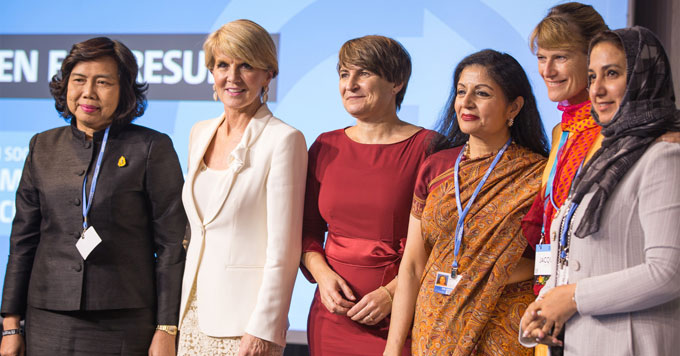
The landscape of global politics has undergone significant transformation over the past century, marked by a steady but uneven journey towards gender equality in legislative bodies worldwide. From the absence of women in national parliaments at the dawn of the 20th century to notable milestones in political representation, the trajectory of women’s participation in governance reflects both progress and persistent challenges.
Historically, the inclusion of women in national parliaments began in 1907 with Norway leading the way. This pivotal moment marked the beginning of a gradual shift towards broader political representation for women, although progress remained slow in many parts of the world throughout the early 20th century.
It wasn’t until the latter half of the 20th century that significant strides were made in advancing women’s participation in politics. Countries around the globe gradually witnessed more women entering legislative roles, albeit often facing barriers of discrimination and unequal opportunities. By 2008, Rwanda achieved a groundbreaking milestone by establishing the world’s first women-majority parliament, setting a precedent for gender parity in political leadership.
Despite these achievements, women continue to be significantly underrepresented in national parliaments and other high-ranking political offices globally. The journey towards political equality remains fraught with challenges such as entrenched gender stereotypes, cultural barriers, and systemic biases that hinder women’s full participation and leadership in governance.
The underrepresentation of women in political spheres not only reflects a democratic deficit but also impacts policy outcomes and societal progress. Research indicates that diverse representation in decision-making processes leads to more inclusive policies that address the diverse needs and perspectives of populations.
Efforts to promote gender equality in politics have gained momentum in recent years, with initiatives focusing on enhancing women’s political leadership, advocating for electoral reforms, and fostering supportive environments for women in politics. International organizations, civil society groups, and grassroots movements play crucial roles in advocating for gender-responsive policies and advancing women’s rights within political frameworks.
As the world marks strides towards gender equality in various sectors, the unfinished agenda of achieving equal representation in political leadership remains a critical priority. Addressing structural barriers, promoting inclusive political cultures, and empowering women to actively participate in governance are essential steps towards realizing full political equality.
While significant progress has been made since the early 20th century, the journey towards achieving gender parity in global politics continues. By recognizing past achievements, confronting persistent challenges, and mobilizing collective efforts, societies can advance towards a future where women’s voices and leadership are fully integrated into shaping inclusive and equitable governance worldwide.