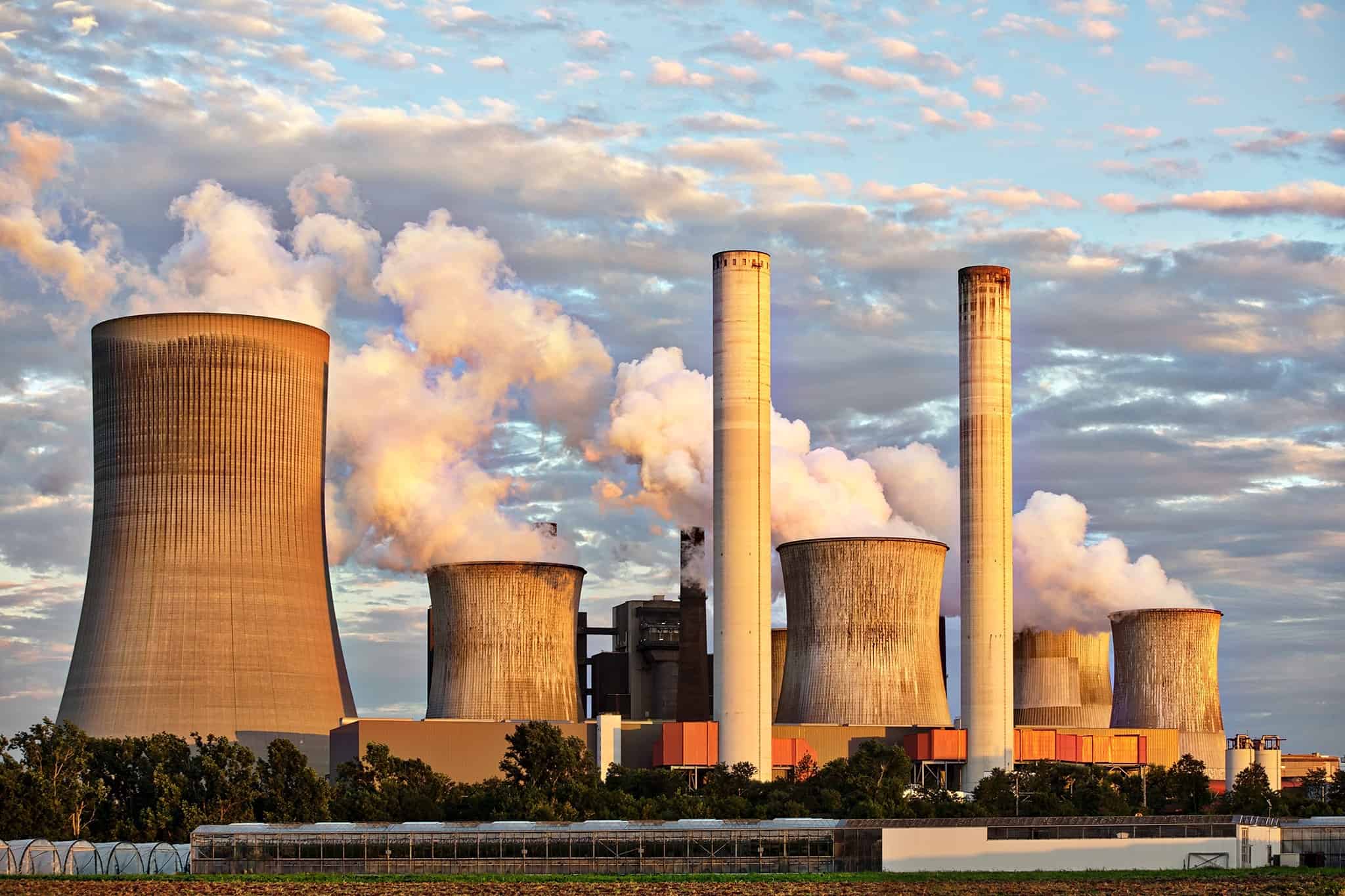
Despite persistent public perception driven by high-profile accidents like Chernobyl and Fukushima, a closer examination of data reveals that nuclear energy stands out as one of the safest and environmentally friendly sources of energy available today.
Contrary to common belief, nuclear energy has proven to be remarkably safe when compared to other energy sources. Comprehensive analysis incorporating incidents such as Chernobyl and Fukushima demonstrates that nuclear energy is many hundreds of times less deadly than fossil fuels like coal and oil. Moreover, its safety record is comparable to that of renewable sources such as solar and wind power.
The safety of nuclear energy becomes even more apparent when considering the broader impacts of fossil fuels. Each year, millions of premature deaths are attributed to air pollution caused by the burning of coal and oil. Beyond the immediate health risks, these fossil fuels are major contributors to climate change, exacerbating global warming and its associated environmental and socio-economic consequences.
In stark contrast, nuclear energy emerges as a minor emitter of greenhouse gases throughout its entire life cycle. Studies indicate that nuclear power generates more than a hundred times fewer greenhouse gas emissions compared to coal and oil, making it a crucial ally in the global fight against climate change.
The perception of nuclear energy’s risks often overshadows its actual safety and environmental benefits. Public fears stemming from accidents like Chernobyl and Fukushima, while tragic, should be contextualized within the broader landscape of energy-related fatalities and environmental impacts.
Advocates of nuclear energy argue that its technological advancements and stringent safety protocols have significantly enhanced operational safety and minimized risks over the years. Modern nuclear power plants incorporate multiple layers of safety features and regulatory oversight to ensure robust protection against accidents and radioactive releases.
Moreover, the environmental footprint of nuclear energy remains favorable compared to fossil fuels. Its ability to provide reliable, low-carbon electricity on a large scale positions nuclear power as a critical component of global efforts to achieve sustainable energy transitions and mitigate climate change.
As discussions around energy policy and climate action intensify globally, reevaluating perceptions of nuclear energy based on empirical data and scientific evidence is crucial. Addressing misconceptions and highlighting its safety record and environmental benefits can foster informed public discourse and support for nuclear energy as part of a diversified and sustainable energy portfolio.
Nuclear energy stands as a testament to safety and environmental responsibility in the energy sector. By leveraging its inherent advantages and continuing to innovate in safety and efficiency, nuclear power holds promise as a vital solution in the quest for cleaner, safer, and more sustainable global energy systems.