Renewable electricity production witnessed a significant surge in 2023, bolstered primarily by the widespread adoption of solar and wind technologies, according to the latest findings from Ember’s Global Electricity Review. The report provides comprehensive insights into global electricity generation trends, highlighting a pivotal year for renewable energy.
In 2023, renewables accounted for just over 30% of the world’s electricity generation, marking a substantial milestone in the global transition towards cleaner energy sources. This growth trajectory underscores the increasing prominence of renewable technologies in the global energy landscape, driven by ambitious climate goals and technological advancements.
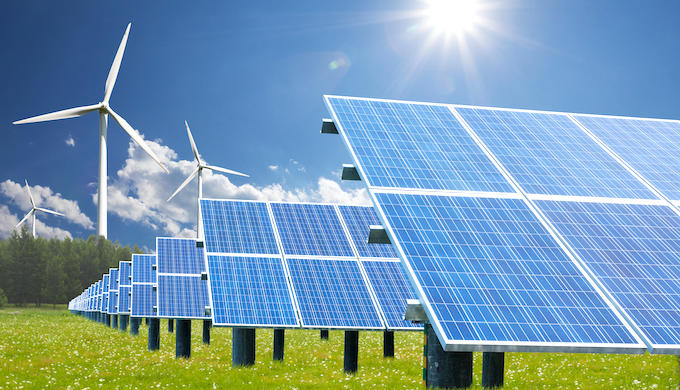
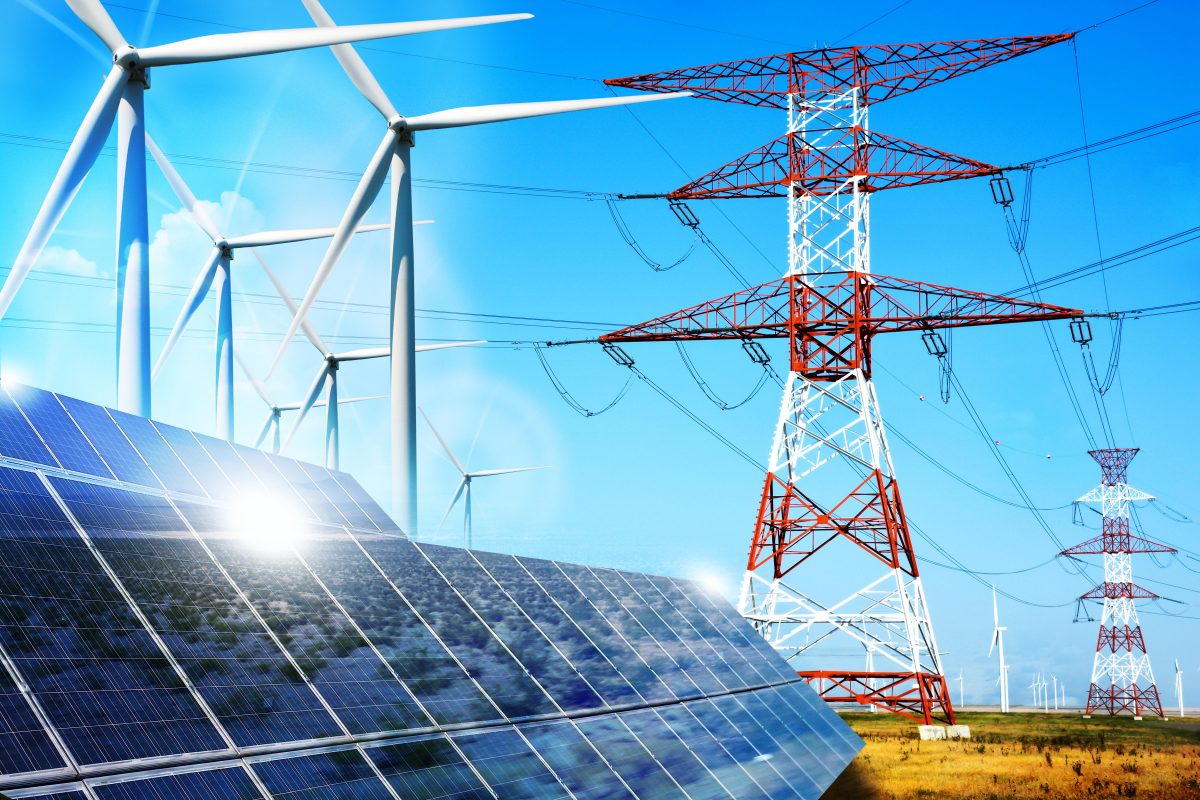
The rapid deployment of solar and wind technologies emerged as the driving force behind the surge in renewable electricity production. Solar power installations continued to expand rapidly across various regions, benefiting from declining costs and enhanced efficiency of photovoltaic systems. Likewise, wind energy projects proliferated, harnessing the natural power of wind to generate clean electricity at scale.
However, amidst the overall growth in renewable energy, hydropower generation experienced a decline in 2023. This downturn was primarily attributed to severe drought conditions, particularly in China, which significantly impacted hydroelectric output. The reduction in hydropower production served as a reminder of the vulnerability of renewable energy sources to climate variability and highlighted the importance of diversified energy portfolios.
Despite the challenges faced by hydropower, the broader trend towards renewable energy remains robust and resilient. Governments, businesses, and communities worldwide continue to prioritize investments in clean energy infrastructure, recognizing its pivotal role in mitigating climate change and fostering sustainable development.
The findings from Ember’s Global Electricity Review underscore the urgent need for enhanced resilience strategies in renewable energy systems, particularly in mitigating the impacts of climate-induced disruptions on hydropower and other renewable sources. Innovations in energy storage, grid management technologies, and diversified renewable energy portfolios will be critical in bolstering the reliability and scalability of renewable electricity generation.
The momentum towards renewable energy is expected to accelerate further as countries strive to meet their emissions reduction targets under the Paris Agreement and pursue a pathway towards net-zero carbon emissions. The ongoing advancements in solar, wind, and other renewable technologies offer promising opportunities to build a more sustainable and resilient energy future.
The rise of renewable electricity production in 2023 highlights a transformative shift towards cleaner energy sources worldwide, driven by solar and wind technologies. While challenges such as drought-induced declines in hydropower underscore the need for adaptive strategies, the overall growth in renewables underscores a positive trajectory towards a sustainable energy future.