Moscow Issues a Dire Warning
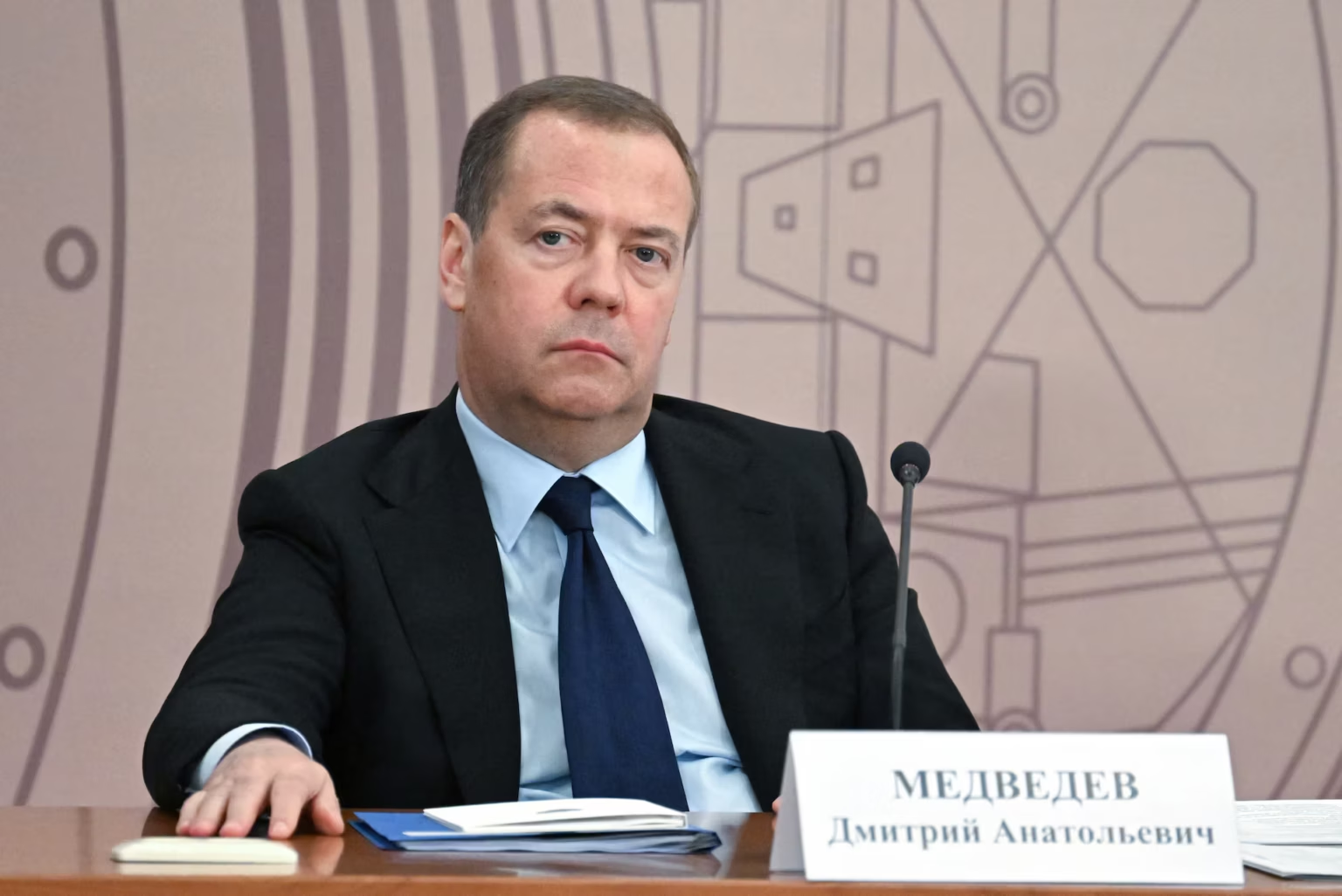
Russia has escalated tensions with Europe, warning that the EU’s plan to use $105 billion in frozen Russian assets to support Ukraine could be seen as an act of war. Dmitry Medvedev, Deputy Chairman of Russia’s Security Council, made the threat clear on Telegram, saying such a move could legally qualify as “casus belli” — Latin for a reason to declare war.
Europe’s Bold Move
The European Commission has been exploring ways to unlock frozen Russian funds to aid Ukraine. The options include:
- Issuing a reparations loan directly from frozen assets
- Borrowing internationally to support Ukraine
Brussels currently favors the first option, which could redirect billions in frozen Russian money to Kyiv.
Medvedev’s Stark Statement
Medvedev singled out Belgium and other EU countries holding Russian assets, saying:
“If a frantic European Union attempts to steal Russian assets frozen in Belgium by issuing a so-called reparations loan, such actions could be classified under international law as a special kind of casus belli, with all the ensuing consequences for Brussels and individual EU countries.”
The message is clear: Moscow views this as a serious provocation, with potentially catastrophic consequences.
What This Means for Europe
Using frozen Russian assets to fund Ukraine would be historic — and highly risky. Experts warn it could:
- Trigger a major diplomatic crisis with Russia
- Escalate geopolitical tensions across Europe
- Set a precedent for seizing foreign assets in conflict situations
Financial power is now a battlefield, and frozen bank accounts are emerging as weapons in modern warfare.
The High-Stakes Battle
With $105 billion at stake, Europe faces a tough decision: aid Ukraine and risk angering Russia, or hold back and leave funds untapped. Each move could have serious geopolitical consequences, potentially changing the balance of power in Europe.
Bottom Line
The standoff over frozen Russian assets isn’t just about money — it’s a potential trigger for war. As Europe weighs its options, Moscow’s warnings signal that this could become one of the most explosive confrontations in recent history.
The question remains: will Europe risk it all for Ukraine, or back down to avoid conflict?