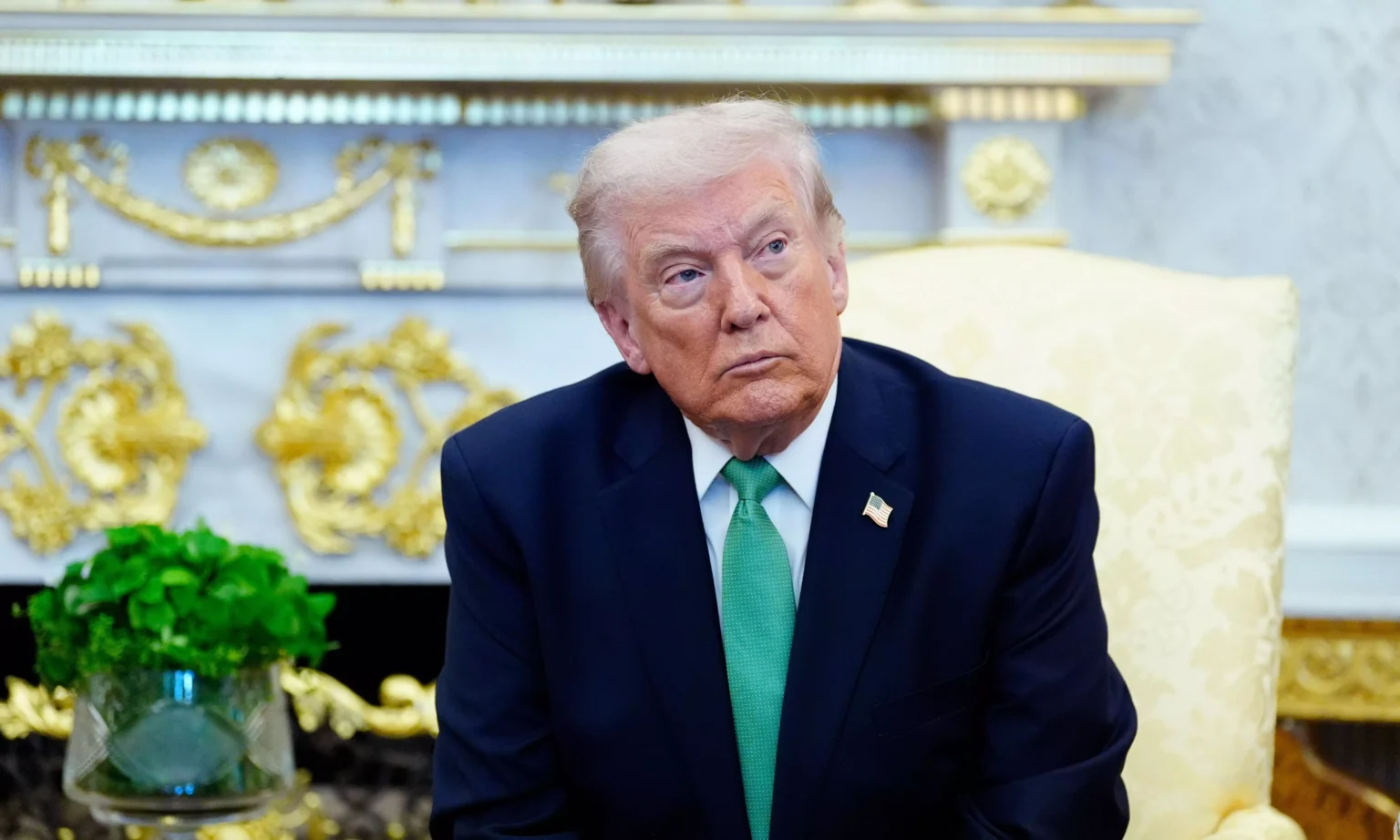
Trump’s Pearl Harbor Remark Creates Awkward Moment in Meeting with Japan’s Prime Minister
A recent meeting at the White House between Donald Trump and Japan’s newly elected Prime Minister Sanae Takaichi took an unexpected turn when a historical reference sparked visible discomfort.
What was meant to be a strategic discussion about global security quickly became a talking point worldwide after Trump referenced one of the most sensitive events in US-Japan history.
What Happened in the Oval Office?
During the meeting, a Japanese journalist asked why the United States did not inform its allies, including Japan, before launching strikes on Iran on February 28.
Trump responded by emphasizing the importance of secrecy in military operations. But instead of keeping the answer straightforward, he made a remark that caught many off guard.
He referenced the Pearl Harbor Attack, saying Japan had a history of valuing surprise in warfare.
The comment immediately changed the tone in the room.
A Moment of Silence
Observers noted that Prime Minister Takaichi appeared uncomfortable. She reportedly paused, took a deep breath, and leaned back in her chair, signaling the sensitivity of the moment.
Given the historical weight of Pearl Harbor, the reference was unexpected—especially in a high-level diplomatic setting.
Why Pearl Harbor Still Matters Today
The attack on Pearl Harbor in 1941 remains one of the most defining moments in global history.
- Over 2,400 Americans were killed
- The United States entered World War II shortly after
- It reshaped US-Japan relations for decades
Although the two countries are now close allies, the memory of the event still carries emotional and historical significance.
Referencing it in a modern political discussion, especially casually, can be seen as controversial.
Trump Defends Surprise Strategy
Despite the reaction, Trump stood by his point about military strategy.
He suggested that the element of surprise was crucial in the recent US strikes on Iran. According to him, the operation achieved significant success early on, disrupting a large portion of intended targets within the first two days.
From his perspective, informing allies in advance could have risked compromising the mission.
Rising Tensions in the Middle East
The conversation also touched on the broader geopolitical situation, particularly tensions involving Iran and the strategically vital Strait of Hormuz.
This narrow waterway is one of the most important routes for global oil transportation, making its security a major international concern.
US Calls for Global Support
Trump urged allies, including Japan, to contribute to efforts aimed at securing the Strait.
He even praised Japan for “stepping up,” while criticizing other allies, particularly those in NATO, for not doing enough.
Japan’s Cautious Response
Despite the praise, Japan’s actual position appears more restrained.
Prime Minister Takaichi has indicated that Japan has no immediate plans to send naval forces to the Middle East.
Legal and Constitutional Limits
Japan’s military actions are governed by its pacifist constitution, which limits the use of force in international conflicts.
This means any decision to deploy forces abroad must be carefully evaluated within strict legal boundaries.
Japan has stated that it is considering what actions it can take, but within the framework of its laws.
Europe Pushes Back
The United States is not only facing hesitation from Japan but also from key European allies.
Countries like:
- Germany
- France
- Italy
- Netherlands
have expressed support for ensuring safe navigation in the region—but without committing to military involvement.
Leaders Speak Out
German officials have made it clear that they do not see this conflict as their responsibility. Similarly, French leadership has taken a cautious stance, avoiding direct military engagement.
This reflects a broader divide between the US and its allies on how to handle the situation.
Trump Criticizes NATO Allies
Trump did not hold back in expressing frustration with NATO countries.
He described their reluctance to participate in the conflict as a “very foolish mistake,” signaling growing tension within the alliance.
This criticism highlights ongoing disagreements about global security responsibilities and burden-sharing among allies.
A Diplomatic Misstep or Strategic Messaging?
Trump’s Pearl Harbor remark has sparked debate.
Some See It as a Misstep
Critics argue that referencing such a painful historical event in a diplomatic setting was unnecessary and insensitive.
Moments like these, they say, risk undermining trust between allies.
Others See a Strategic Angle
Supporters might argue that Trump was simply reinforcing his point about military strategy—using a historical example to emphasize the value of surprise.
Regardless of intent, the reaction shows how powerful historical references can be in modern diplomacy.
The Bigger Picture: Allies, Strategy, and Global Uncertainty
This meeting reflects deeper issues shaping global politics today:
- Growing tensions in the Middle East
- Differences among allies on military involvement
- The challenge of balancing strategy with diplomacy
It also highlights how quickly conversations can shift from cooperation to discomfort in international relations.
Final Thoughts
What started as a routine diplomatic meeting turned into a headline-making moment.
Trump’s reference to Pearl Harbor served as a reminder that history is never far from the surface in global politics. Even decades later, certain events continue to carry emotional weight and influence modern interactions.
At the same time, the discussion revealed real disagreements among allies about how to handle current global conflicts.
As tensions continue to rise, moments like these show that diplomacy is not just about policy—it’s also about tone, timing, and understanding the past.