


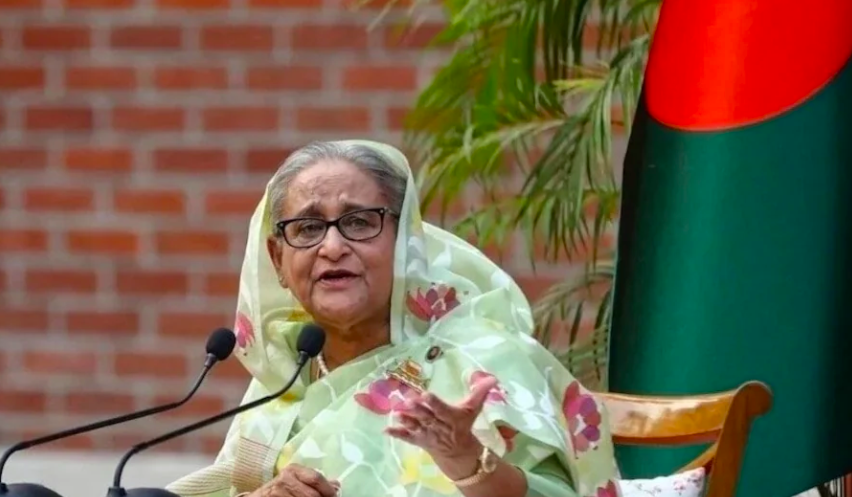
The Dhaka Special Court handed down a six-month custodial sentence to Hasina, making it the shortest jail term ever given to a former Bangladeshi head of government for corruption. Judge Kamrul Islam, presiding over the high-profile trial, remarked:
“No one in power should presume immunity from the law. The court is compelled by evidence to render a verdict that upholds accountability and transparency.”
In addition to the prison term, Hasina was fined 5 million Bangladeshi takas (approx. $60,000 USD) and barred from contesting elections or holding public office for the duration of her sentence, pending appeals.
Public and Political Reactions
Supporters Decry “Political Vendetta”
The sentencing has prompted a sharp response from Hasina’s Awami League party and its supporters, who staged protests across major cities including Dhaka and Chittagong, denouncing the verdict as a “politically motivated vendetta.”
Awami League spokesperson Md. Mahbubul Alam stated:
“This conviction is designed to sideline Sheikh Hasina from the political process and weaken the democratic framework. We will appeal this unjust verdict at the highest courts.”
Many observers note that the unusually swift proceedings, coupled with increased police presence outside key government buildings, signal a government intent on quelling dissent.
International Community Weighs In
Diplomatic missions from the United States, United Kingdom, and the European Union have called for a “fair and transparent appeals process” for Hasina, with the U.S. State Department emphasizing the need for judicial independence and due process in Bangladesh’s rapidly evolving political environment.
Human rights organizations, including Human Rights Watch, expressed concerns over the politicization of the judicial process, urging authorities to uphold fundamental rights of all citizens regardless of political affiliation.
Implications for Bangladesh’s Political Future
Potential for Political Instability
The conviction and sentencing of such a prominent leader could deepen existing political divides. Analysts warn of potential street unrest, further polarization, and an erosion of public trust if perceived injustices are not addressed through legal and constitutional means.
With Hasina’s appeal reportedly forthcoming, the outcome will play a decisive role in shaping Bangladesh’s immediate political trajectory. According to Dr. Farhana Ahmed, a professor of political science at Dhaka University:
“The manner in which Bangladesh’s judiciary handles the appeal will be crucial to perceptions of legitimacy—not just for the courts but for the broader democratic process.”
Electoral Ramifications
The verdict effectively blocks Hasina from running in upcoming general elections, possibly reshaping the opposition landscape. Rival parties, including the Bangladesh Nationalist Party (BNP), have expressed guarded approval of the court’s decision but urged restraint on all sides to prevent violent unrest.
Context: Sheikh Hasina’s Political Legacy
Sheikh Hasina has been one of Bangladesh’s most influential—and controversial—leaders, serving multiple terms as prime minister and known for both economic development initiatives and a firm stance against militancy. Her rule, however, has also drawn criticism for alleged authoritarianism, media restrictions, and the targeting of political opponents.
Her latest legal setback comes amid ongoing debate about governance, transparency, and the balance of power in Bangladesh’s democracy.


