


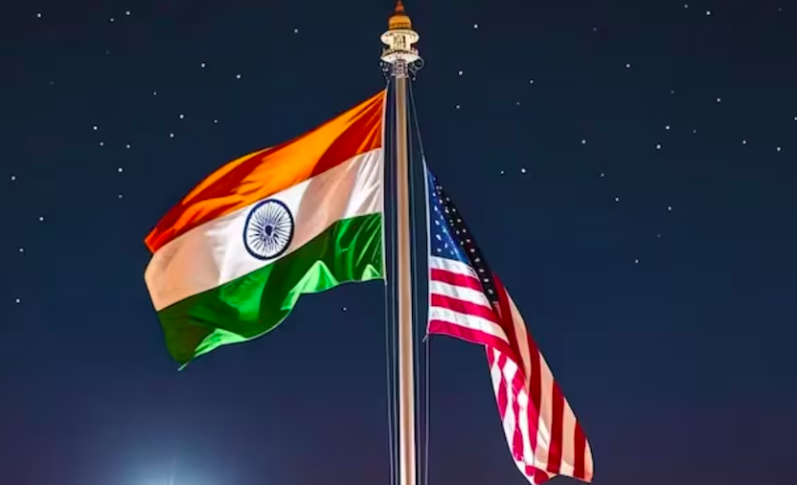
After months of negotiations stalled by differences over tariffs, intellectual property standards, and digital trade, officials from both countries confirmed on Friday that an agreement covering select goods and services had been reached. The announcement came following high-level talks in Washington, D.C., and New Delhi between Indian commerce minister Piyush Goyal and U.S. Trade Representative Katherine Tai.
The pact reportedly involves reduction of tariffs on select U.S. agricultural goods entering India and Indian exports such as certain steel, aluminum, and pharmaceutical products gaining preferential access to the U.S. market. Both sides have committed to enhanced cooperation on digital trade and standards in upcoming phases.
“Today’s agreement signals our shared commitment to a strong, mutually beneficial economic partnership,” U.S. Trade Representative Katherine Tai said in a statement. “While significant issues remain, this deal creates the foundation for addressing more complex barriers in the future.”
Key Issues and Recent Gains
The India-U.S. trading relationship, valued at over $190 billion last year, had recently faced friction. Since 2019, both countries slapped retaliatory tariffs on each other following Washington’s withdrawal of India’s benefits under its Generalized System of Preferences (GSP). Agricultural imports, medical devices, and digital services have been major flashpoints.
This selective pact, industry experts suggest, addresses some low-hanging fruit without wading into more contentious areas. “It’s pragmatic,” said Rohit Sharma, trade policy analyst at the Confederation of Indian Industry (CII). “The intention is to build goodwill and trust before tackling the thornier issues like data localization or full GSP restoration.”
The new agreement also revives optimism among businesses. “Predictability in tariffs helps us plan investments and long-term supply chains,” said Suneeta Reddy, CEO of an Indian pharmaceutical exporter. U.S. almond and walnut suppliers, who have lobbied for lower Indian duties, likewise welcomed the move.
Stumbling Blocks on the Path to a Bigger Deal
Despite the positive headlines, several difficult issues remain unresolved:
Digital Commerce and Data Flows: Washington continues to press for looser data localization requirements, while India has championed digital sovereignty.
Intellectual Property Concerns: The U.S. pharmaceutical lobby seeks tighter patent protections; Indian firms want easier access to generics.
Agricultural Subsidies: India’s minimum support prices, which help local farmers, remain a sticking point for U.S. negotiators.
Political factors add complexity: U.S. elections this fall could slow negotiations, while India faces pressure to protect sensitive sectors ahead of upcoming state polls.
Bilateral Ties: From Strategic to Economic Partnership
The warming trade ties are also propelled by the countries’ shared geopolitical interests, particularly amid rising tensions with China. Closer economic integration supports the larger “Comprehensive Global Strategic Partnership” agreed by Prime Minister Narendra Modi and President Joe Biden last year.
“Bound by shared democratic values, India and the United States can demonstrate that fair, rules-based trade benefits both our peoples,” said Harsha Vardhan Shringla, former Indian foreign secretary.
Analysts, however, caution that incremental agreements must not be mistaken for a final solution. “It is positive movement, but there’s a long road ahead,” said Devika Mittal, South Asia trade expert at the Observer Research Foundation.
What’s Next: Roadmap Toward a Full Trade Pact
Negotiators from both sides will meet again in late July to explore expanded concessions, with ambitions to pave the way for restoring India’s GSP status—a move that could boost Indian exports by over $6 billion annually, according to government estimates.
U.S. Commerce Secretary Gina Raimondo is expected to visit New Delhi in August for further talks, signaling sustained diplomatic attention.
While there are no guarantees of a final, all-encompassing trade agreement in the near term, the measured approach of selective but substantive deals is reshaping the terrain for stronger, future cooperation.


