


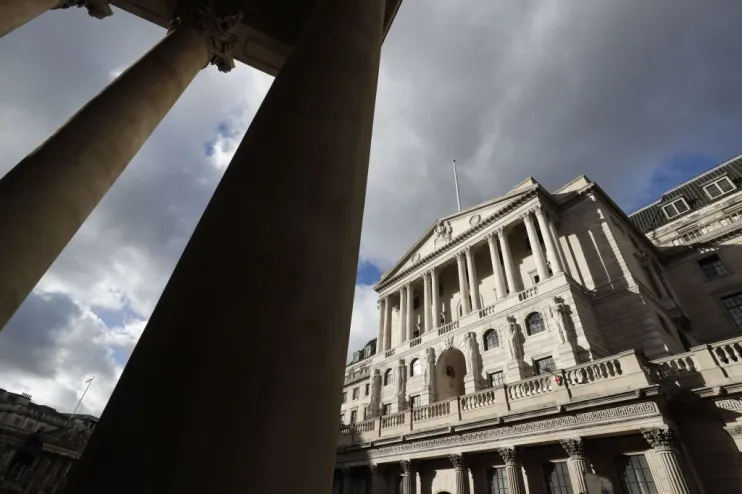
The Bank of England (BoE) is expected to reduce interest rates for the third time since the COVID-19 pandemic, as it grapples with the challenge of balancing economic stagnation with persistent inflation. The anticipated quarter-point cut would bring the BoE’s Bank Rate to 4.5%, aligning it more closely with international counterparts such as Norway and the U.S. Federal Reserve. However, concerns about inflation and economic stagnation continue to cloud the decision-making process.
The Economic Situation
Britain’s economy has had scant growth since mid-2024, bearing the brunt of global economic worries, a more expensive tax burden on employers enacted by Finance Minister Rachel Reeves, and uncertainty regarding possible trade disputes with the United States now headed by President Donald Trump. As the slow economy increases demand for rate cuts, inflationary factors continue to impede them.
The last meeting of the BoE’s Monetary Policy Committee (MPC) was held in December. It voted 6-3 to keep interest rates at 4.75%. According to Chief Economic Advisor Matt Swannell of the EY ITEM Club, there are growing signs of economic stagnation that may encourage more policymakers to support a rate cut this time around.
Inflationary Pressures Remain
Despite economic struggles, inflation remains a key concern for the BoE. The latest data showed inflation at 2.5% in December 2024, above the central bank’s 2% target. Some analysts project an increase to 3% in January due to rising domestic fuel costs. Wage growth also unexpectedly accelerated in late 2024, further complicating the inflation outlook.
A reversal in energy prices and a sharp rise in labour costs suggest a renewed pickup in inflation – we think to 3.5% in April, economists at Citi warned. This may restrain the BoE from cutting rates aggressively without also boosting inflationary risks.
Market Expectations and What Investors Are Looking For
Financial markets are pricing in at least three quarter-point rate cuts by the end of 2025, with some economists predicting four. This could provide much-needed relief to businesses and consumers facing high borrowing costs. However, the BoE must navigate these cuts carefully to avoid undermining its credibility in tackling inflation.
The BoE will publish its economic projections together with the interest rate decision at 1200 GMT, before hosting a news conference with governor Andrew Bailey and other senior officials explaining their reasoning and expectations of future policy.
The Impact on Government Policy
A rate cut might bring some respite to Prime Minister Keir Starmer and Finance Minister Reeves, as the high borrowing cost has constrained the fiscal policy. Lower rates could ease some of the pressure on government finances but persistent inflation would still require higher taxes or some spending adjustments.
The Global Comparison
The BoE has been more prudent in the cuts of the rate compared to the European Central Bank, which reduced the rates five times since mid-2024. The variation is a result of more robust inflationary pressures in the UK compared to the eurozone. On the other hand, the U.S. Federal Reserve retains its rates within a range of 4.25-4.5%, which closely resembles the BoE’s expected new rate.
The rate decision of the BoE on Thursday will prove to be a landmark day for the UK economy. Though interest rates would be cut, such is the task of considering growth and achieving inflation control simultaneously. Investors, businesses, and policymakers alike will watch closely Governor Bailey’s statements to determine which way monetary policy will go.
Frequently Asked Questions (FAQs)
Why the Bank of England should cut interest rates?
The BoE seems to ponder a rate cut to help accelerate the weak UK economy, growing only marginally since mid-2024. However, inflation concerns weigh in on this thought process.
Effect of an interest rate cut on inflation?
What’s known is that low interest rates tend to fuel economic growth when borrowing is cheaper. But, on the other hand, too high demand rises can make inflation rate increase as well.
How does the UK interest rate compare with other major economies?
The BoE’s new rate of 4.5% would be in line with Norway and close to the U.S. Federal Reserve’s 4.25-4.5% range. The ECB has been more aggressive in cutting rates due to weaker inflation risks.
What does this mean for UK consumers?
A rate cut could lower borrowing costs for consumers and businesses, making mortgages and loans more affordable. However, it could also mean lower returns on savings.
What are the risks of cutting interest rates too soon?
Cutting rates too early could reignite inflation, especially if wage growth and energy costs continue to rise. The BoE must carefully balance economic support with inflation control.


