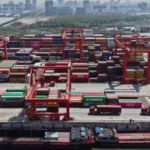
Mounting Trade Frictions
Citing ongoing trade disputes between major economies, including the U.S. and China, the World Bank identifies growing protectionist policies as a principal threat to synchronized global expansion. Tariffs and regulatory barriers have increased costs for manufacturers and consumers, impacting both advanced and developing economies.
“The weakening of global trade flows due to heightened trade barriers has dampened investment and stifled productivity,” said Ayhan Kose, Deputy Chief Economist at the World Bank. “Policy uncertainty is weighing heavily on business confidence and economic activity worldwide.”
Supply Chain Disruptions and Geopolitical Risks
The lingering effects of the COVID-19 pandemic, coupled with fresh geopolitical flashpoints—such as the Russia-Ukraine conflict and Middle East tensions—have exacerbated supply chain vulnerabilities. Disruptions in transportation, export controls on critical commodities, and logistical bottlenecks have further slowed economic recovery in both rich and poor nations.
“There’s a legacy of supply chain fragmentation that the world is still working through,” stated Carmen Reinhart, former chief economist at the World Bank, in a briefing to analysts. “New hotspots of conflict have only added volatility and unpredictability to international commerce.”
Slowdowns in Key Economies
The World Bank report highlights a notable slowdown in key economies, including the eurozone, Japan, and China. China’s growth is forecasted to decelerate to 4.5%, dampened by weak consumer demand and real estate market stress. U.S. GDP growth is expected to moderate to 1.7%, while the eurozone is projected at a sluggish 1.2%.
Impact on Developing and Emerging Markets
While advanced economies face slowing output, emerging markets are especially vulnerable to tighter global financial conditions and capital outflows. Elevated interest rates in the U.S. and Europe have placed additional pressure on currencies in Latin America, Africa, and South Asia.
According to Indermit Gill, World Bank chief economist, “Developing countries, particularly those with high levels of external debt, will find it increasingly difficult to finance their deficits without implementing painful reforms or facing market backlash.”
Risks of Rising Inequality
The report also underscores the risk of widening inequality both within and between countries. Lower-income nations face steeper challenges due to inflationary pressures, food insecurity, and limited fiscal space for social spending or stimulus.
“The poorest countries are being hit hardest by inflation and debt burdens, threatening years of progress in poverty reduction,” said Gill. The Bank urges concerted action to safeguard vulnerable populations through targeted social protection measures and international cooperation.
Policy Recommendations and Global Response
The World Bank calls on governments and central banks to prioritize coordinated policy responses, refrain from protectionism, and strengthen multilateral initiatives. The report recommends bolstering trade openness, investing in resilient supply chains, and accelerating green transition policies to support more sustainable long-term growth.
“Restoring global trust in trade rules and institutions remains vital for a broad-based recovery,” Kose emphasized. “Structural reforms, including greater investment in digital infrastructure and education, can help economies become more adaptable and less prone to future shocks.”
Market Reaction and Forward Outlook
Global financial markets responded cautiously to the World Bank’s announcement. The MSCI World Index declined slightly, while yields on safe-haven government bonds edged lower. Several analysts at leading financial institutions, including J.P. Morgan and HSBC, echoed concerns about persistent uncertainty but noted that the risk of a severe global recession still remains contained—provided policymakers act decisively.
“The growth downgrade is sobering but not catastrophic,” observed Janet Henry, Global Chief Economist at HSBC. “There remains room for policy support, especially if trade tensions ease and major central banks navigate the interest rate cycle carefully.”