


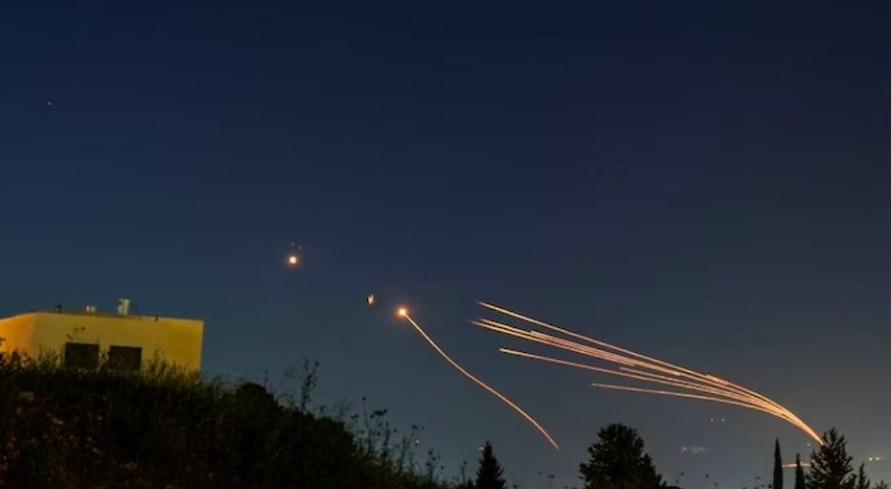
With the fallout from heightened conflict between the US and Iran—exacerbated by recent Israeli interventions—creating ripple effects across global politics and energy markets, India finds itself in a delicate position. As one of the world’s largest importers of crude oil and with a significant expatriate population across the Middle East, the Indian government is keenly attuned to the shifting dynamics.
Senior officials within the Ministry of External Affairs (MEA) have confirmed that while New Delhi is “deeply concerned” over any instability in West Asia, the situation remains under control for Indian interests at present. “We are monitoring the situation at the highest levels. There has been no immediate impact on Indian nationals or economic ties,” a government spokesperson told The Indian Express on Tuesday.
Balancing Diplomatic Relations Amid Rising Uncertainty
India’s longstanding diplomatic ties with the US, robust outreach to Israel, and carefully managed partnership with Iran complicate any public positioning. Sources within the MEA indicated that India’s response is shaped by both immediate safety concerns for citizens and long-term strategic interests in the region.
“We hope that all parties exercise restraint and prioritize dialogue. India seeks stability in the region, given our energy dependencies and the presence of millions of Indian citizens in the Gulf,” said a senior Indian diplomat, speaking on condition of anonymity.
No Immediate Threat to Energy Supply or Expatriates
Despite worries about potential disruptions to oil supply routes—especially through the Straits of Hormuz, a critical chokepoint for global crude shipments—India’s Petroleum Ministry assures that contingency plans are in place. “At the moment, we have not observed any interruption in supplies. The situation is dynamic, and we remain ready to respond swiftly if the situation deteriorates,” an official said.
The Ministry of External Affairs has also reached out to India’s diplomatic missions in key regional capitals, instructing embassies to issue regular advisories and to report any threats to Indian nationals. So far, no large-scale evacuations or special advisories have been deemed necessary.
Regional Observers Call for Continued Vigilance
Security and policy analysts caution that while India’s cautious optimism is warranted, the government must remain prepared for a rapid escalation. Dr. Manoj Joshi, distinguished fellow at the Observer Research Foundation (ORF), noted, “The complexity of the US-Iran-Israel triangle lends itself to sudden shifts. India’s interests—from energy to diaspora—are directly tied to regional calm, so continuous monitoring and readiness are essential.”
Others echo the importance of India’s diplomatic agility. “It’s a classic case of strategic balancing. India can draw on its history of non-alignment and independent foreign policy to navigate this delicate situation,” said Prof. C. Raja Mohan, a global affairs expert.
International Calls for De-escalation Multiply
India’s position aligns with those of European and ASEAN nations, all urging the US, Iran, and Israel to step back from the brink and return to diplomacy. The United Nations has called for an emergency session in Geneva to address the crisis and encourage dialogue between the parties.
India’s External Affairs Minister Dr. S. Jaishankar is expected to raise the issue at the upcoming BRICS foreign ministers’ meeting, reaffirming India’s commitment to peaceful conflict resolution and respect for international law.
Historical Context Shapes India’s Cautious Response
India’s consistent record of maintaining balanced relations with both sides in Middle Eastern disputes informs its current measured stance. Notably, India has previously managed to maintain oil imports from Iran even under past US sanctions by engaging in creative payment mechanisms.
Similarly, its strong defense and technology partnership with Israel have deepened over the years without alienating other stakeholders in the region.


